 English
 Español
 Português
 Deutsch
 한국어
한국어 日本語
日本語 Italiano
 Français
 العربية
 Türkçe
The home textile industry faces a persistent challenge: consumers demand high-performance cooling fabrics for mattresses and bedding, yet they reject materials that feel synthetic or look overly shiny. Traditional HDPE FDY yarns deliver exceptional thermal conductivity of 0.5 W/m·K and Q-MAX values reaching 0.25-0.4, making them ideal for temperature regulation during sleep . However, their glossy appearance and stiff hand feel have limited adoption in premium home furnishing markets where natural aesthetics matter.
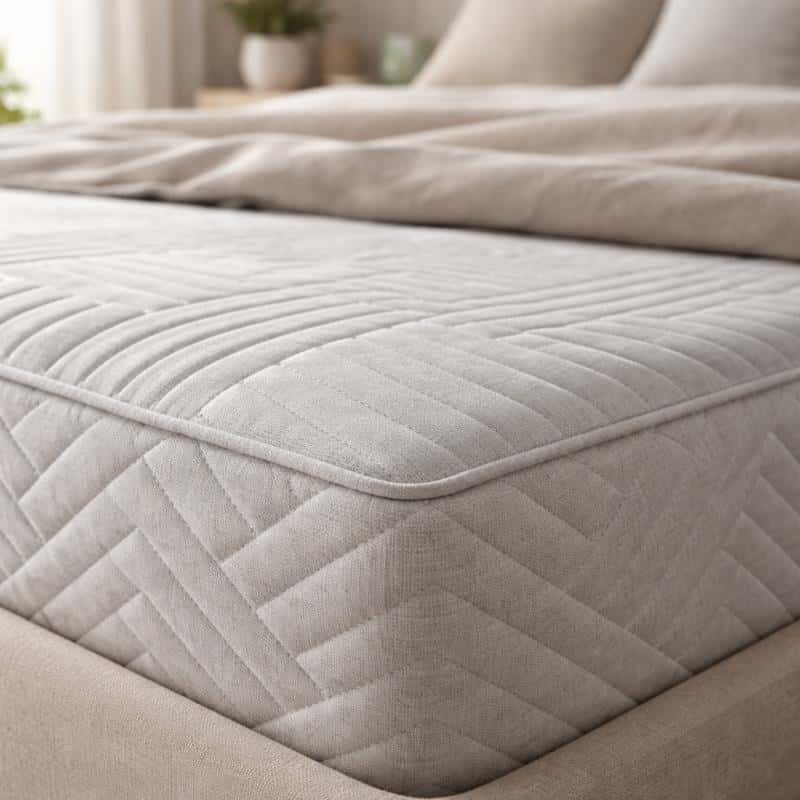
HDPE ATY (Air Textured Yarn) technology solves this contradiction. By applying air-jet texturing processes to high-density polyethylene filaments, manufacturers now produce cooling yarns that maintain the same thermal performance as FDY while achieving a soft, cotton-like texture that appeals to quality-conscious consumers. This innovation opens new possibilities for mattress ticking, cushion covers, and decorative home textiles where both functionality and tactile comfort are non-negotiable.
The Technical Breakthrough: From FDY to ATY
HDPE FDY has dominated cooling textile applications due to polyethylene’s molecular structure, which enables rapid heat dissipation through its crystalline arrangement . The material’s hydrophobic nature and anti-fungal properties make it particularly suitable for mattress applications where moisture management and hygiene are critical. Yet FDY’s production method—continuous drawing and winding—creates smooth, parallel filaments that reflect light intensely, producing the characteristic “chemical fiber shine” that consumers associate with lower-quality synthetics .
ATY processing transforms this limitation into an advantage. Air-jet texturing introduces controlled loops, crimps, and entanglements along the filament length, disrupting the parallel alignment that causes excessive luster . The resulting yarn structure scatters light diffusely rather than reflecting it specularly, creating a matte appearance similar to spun cotton or linen. More importantly, the textured configuration increases inter-fiber friction and bulk, delivering a softer, more pliable hand feel that mimics natural fibers while preserving HDPE’s inherent cooling capacity.
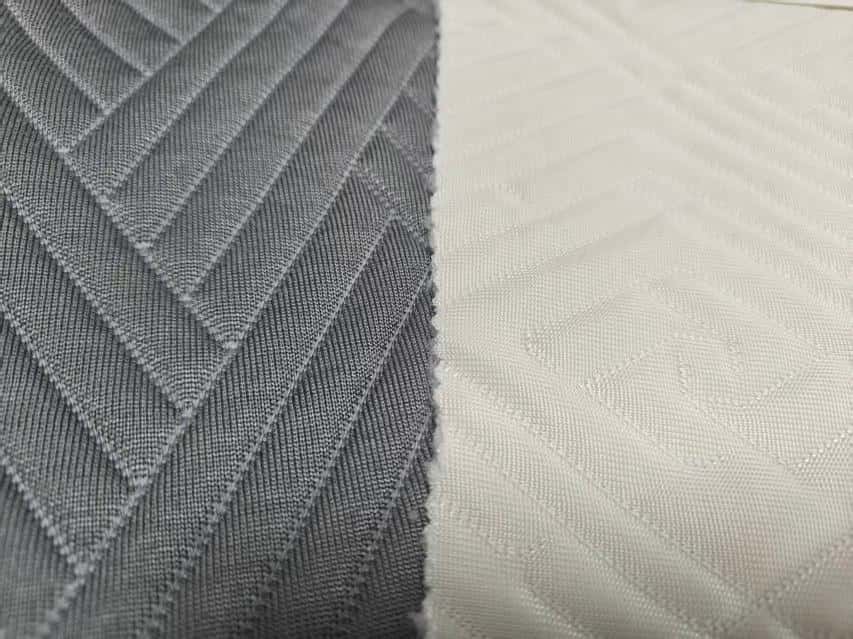
The image comparison reveals this subtle but crucial difference: the left sample (ATY) shows a subdued surface with gentle texture variation, while the right sample (FDY) displays more pronounced light reflection despite similar fiber composition. For mattress manufacturers targeting premium segments, this aesthetic distinction directly impacts perceived product value and consumer acceptance.
Performance Advantages in Home Textile Applications
Temperature regulation significantly influences sleep quality, with studies showing that cooler sleeping surfaces promote deeper, uninterrupted sleep cycles and reduce nighttime awakenings . HDPE ATY maintains the 0.5 W/m·K thermal conductivity that makes polyethylene effective for cooling applications, ensuring consistent heat transfer away from the body throughout the night . The textured structure actually enhances surface area contact with skin, potentially improving the cooling sensation compared to smooth FDY fabrics.
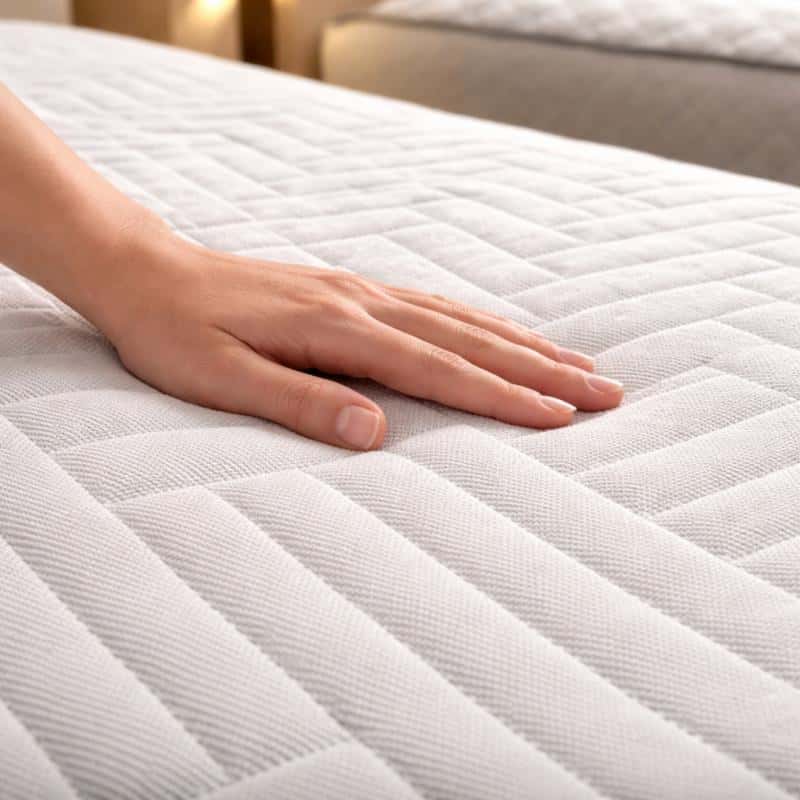
Beyond thermal management, ATY’s softer drape and increased flexibility make it more suitable for mattress ticking applications where fabric must conform to quilted patterns and cushioned surfaces without creating stiff, uncomfortable areas. The cotton-like hand feel also improves the initial touch experience—a critical factor in retail environments where consumers evaluate mattress quality through tactile assessment. Polyethylene’s inherent hydrophobicity and antimicrobial properties remain fully intact, providing moisture-wicking performance and inhibiting bacterial growth without chemical treatments .
For home textile manufacturers, HDPE ATY enables product positioning that was previously impossible: marketing cooling technology without the “technical fabric” stigma. Brands can now develop mattress covers, decorative pillows, and upholstery fabrics that deliver measurable temperature reduction while maintaining the natural aesthetic that consumers prefer in bedroom environments. This bridges the gap between performance sportswear technologies and home furnishing design sensibilities.
Market Applications and Design Possibilities
HDPE ATY’s versatility extends across multiple home textile categories. In mattress ticking, the yarn can be woven or knitted into jacquard patterns, creating cooling zones in high-contact areas like shoulder and hip regions while maintaining visual consistency with traditional fabric designs . Cushion manufacturers can incorporate ATY into decorative covers for sofas and chairs, offering cooling comfort in living spaces without compromising interior design aesthetics. The material’s durability and colorfastness also make it suitable for high-use applications like dining chair upholstery and outdoor furniture cushions.
Blending opportunities further expand design flexibility. HDPE ATY combines effectively with natural fibers like cotton or linen, creating hybrid fabrics that balance cooling performance with moisture absorption and familiar texture profiles. Manufacturers can also co-weave ATY with other functional yarns—such as antimicrobial fibers or flame-retardant materials—to meet specific performance requirements for hospitality or healthcare bedding applications. The reduced shine of ATY makes these blends more visually cohesive compared to FDY combinations, where the contrast between glossy synthetic and matte natural fibers often appears jarring.
Conclusion
HDPE ATY represents a meaningful evolution in cooling textile technology, addressing the aesthetic limitations that have constrained polyethylene yarn adoption in premium home furnishing markets. By maintaining the thermal performance and functional benefits of traditional FDY while delivering a soft, cotton-like hand feel and matte appearance, ATY enables mattress and home textile manufacturers to meet consumer demands for both comfort and natural aesthetics. As sleep quality awareness continues driving demand for temperature-regulating bedding, HDPE ATY positions brands to compete effectively in segments where performance and design sophistication are equally valued.
Sources:
- MTS Textile – High Density Polyethylene Yarn Cooling Properties
- HK Yarn – DTY vs. ATY vs. FDY Comprehensive Comparison
- Textile-Chem – How to Distinguish FDY, POY, DTY and ATY
- Sleep Foundation & Forbes – Cooling Mattress Technology Research

Related Posts
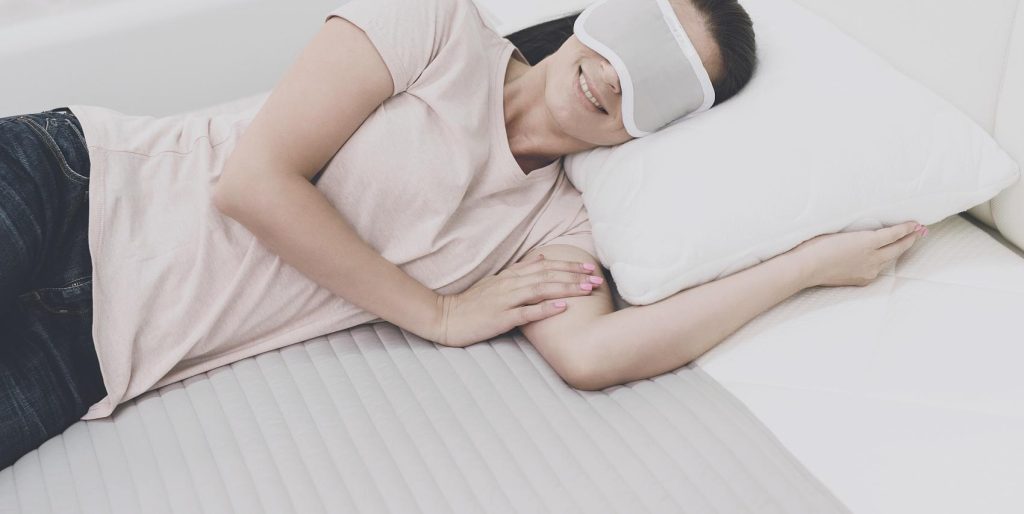
Premium Cooling Mattress Ticking
Sleep Innovation for High-End Bedding Market The Challenge “Deliver instant cooling comfort without compromising knit fabric performance.” A Textiles needed...

Durable Cooling Fabric vs Instant Contact Cooling: Which Keeps You Cool Longer?
You know that brisk tingle the moment you pull on a “cool-touch” T-shirt? Nice, right? But step outside for 5...
What Are Sustainable Yarns? A Complete Guide to Eco-Friendly Textile Innovation
Let’s be honest — “sustainable yarn” is one of those terms that gets thrown around so much it’s starting to...

Spring Cycling Apparel Fabric Innovation: How 8C Pro Microporous Yarn Solves Temperature & Moisture Challenges
Ask any cyclist about spring riding, and you’ll hear the same complaint: impossible to dress right. You start your morning...