 English
 Español
 Português
 Deutsch
 한국어
한국어 日本語
日本語 Italiano
 Français
 العربية
 Türkçe
A pineapple leaf fiber kidswear concept becomes useful only when the material story survives contact with the garment. For a lightweight everyday top, the central tradeoff is not “natural versus synthetic.” It is whether the available PALF blend can deliver an acceptable hand and stable knit construction while every comfort, care and functional claim remains tied to the finished sample.
The Challenge: A Credible Material Story That Still Feels Wearable
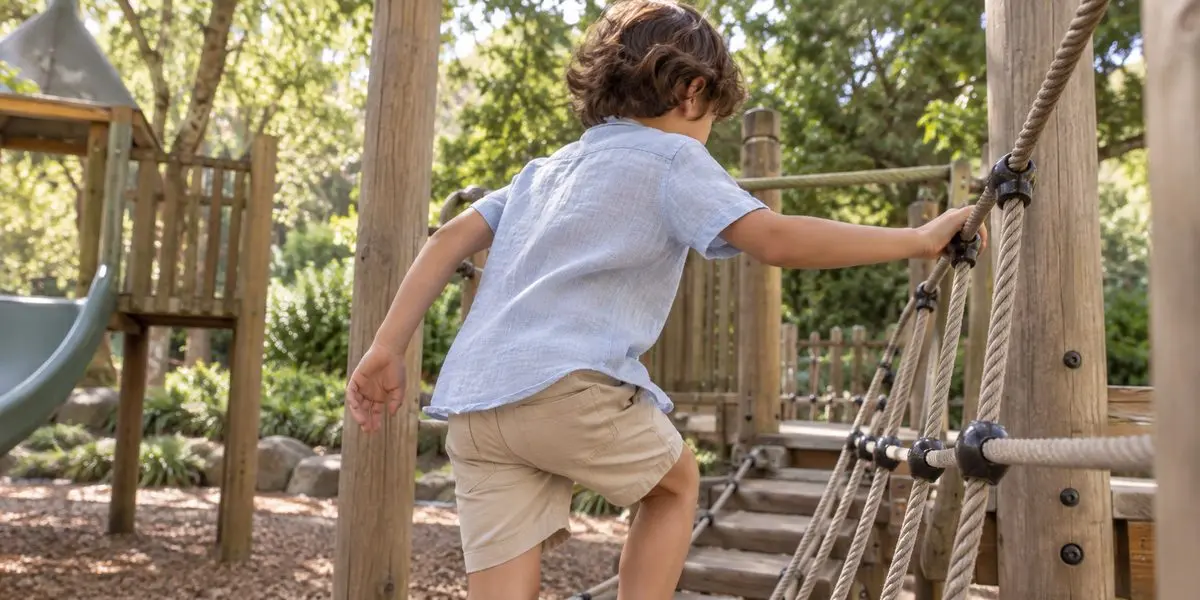
Kidswear buyers may be drawn to pineapple leaf fiber because it starts with leaves left after pineapple cultivation. The story is easy to understand; the fabric decision is harder. Raw PALF can introduce a dry, structured texture, while a child’s casual top usually needs softness, flexibility and seams that remain comfortable through movement and care.
This development route uses the running 10% pineapple leaf fiber / 90% Modal yarn as the starting point. It does not describe the yarn as 100% PALF, and it does not assume that raw-fiber properties transfer unchanged through spinning, knitting, dyeing or garment care.
Start From the Supply Form, Not the Headline Claim
The first decision is whether the available yarn fits the product being developed. Modal provides most of the blend and is expected to influence softness, drape and moisture interaction. PALF provides the material differentiation, but its 10% share must be disclosed clearly. If a brand wants a higher PALF percentage, that becomes a separate feasibility discussion rather than a silent change to this case.
Why not begin with a 30–50% PALF promise?
Because that ratio is not the running product specification currently shown on the site. Increasing PALF could change yarn regularity, process behavior, fabric surface and hand. It should enter the plan only after fiber preparation, yarn route and sample availability are confirmed.
For readers who need the material definition and processing stages first, the existing pineapple leaf fiber guide owns that informational task. This case stays focused on one garment-development decision.
A Two-Sample Route That Can Isolate the Yarn Effect
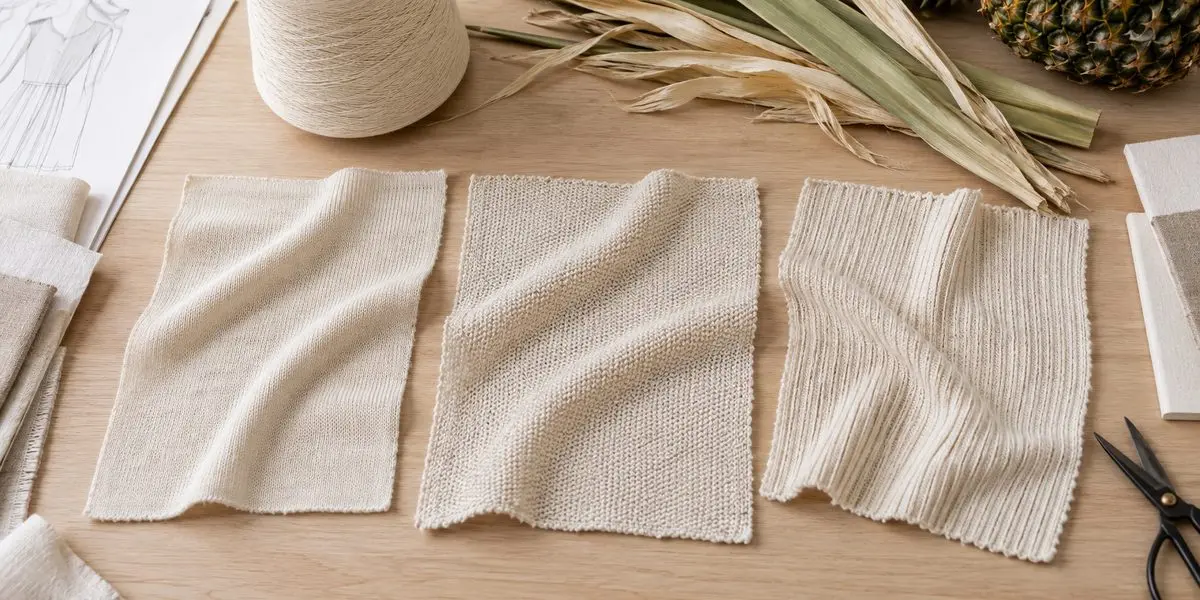
A useful trial should not change every variable at once. The clearest first round compares the running PALF–Modal yarn with a Modal control at the closest practical yarn count, knit structure, machine setting, GSM and finish. If exact parity is not possible, the mill should record the difference before anyone interprets hand or performance.
| Sample | Purpose | Variables to hold constant | Decision it supports |
|---|---|---|---|
| A: Modal control | Establish the base hand and fabric behavior without PALF | Yarn count where practical, knit structure, target GSM, dye/finish and care route | Whether the PALF blend creates a meaningful and acceptable difference |
| B: 10% PALF / 90% Modal | Evaluate the running Smartex yarn in the intended garment construction | Use the same controlled construction and finishing plan as Sample A | Whether to proceed to color, care and garment-prototype trials |
A third, higher-PALF sample should not be presented as available until the supplier and mill confirm the blend, yarn specification and process route. This keeps the sample matrix connected to something the buyer can actually request.
How the Prototype Should Be Judged
The first review is tactile and structural, not promotional. Compare surface roughness, flex, drape and recovery. Check whether the collar, armhole and side seams create pressure or abrasion. Record dimensional change, spirality and pilling under the brand’s intended care sequence. If color is added, repeat the assessment after the chosen dyeing and finishing route rather than relying on the undyed sample.
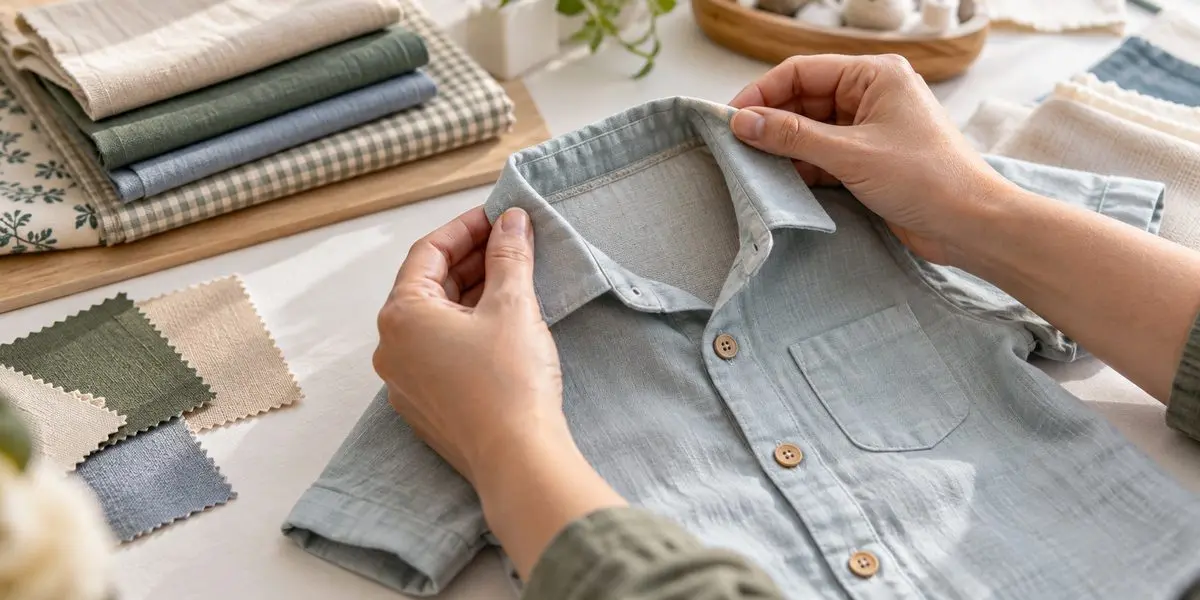
Children’s product requirements depend on the destination market, age group, trims, dyes and finished garment. A raw fiber or yarn description cannot establish finished-product compliance. The testing plan should be written for the actual garment and market rather than copying a certificate name into the material story.
Where Antibacterial and Sustainability Claims Enter the Plan
Annie’s Smartex positions its pineapple leaf material as naturally bacteriostatic and deodorizing. That positioning can remain part of the development question, but the finished kidswear claim should wait for evidence identifying the tested sample, composition, method, organism, control and wash conditioning. The original PALF report is not currently available in the WordPress media library, so this concept does not promise an antibacterial percentage, “all-day freshness” or wash-permanent performance.
The same discipline applies to sustainability language. The PALF fraction has an agricultural-residue origin, but the running yarn is a 10/90 PALF–Modal blend. Claims about biodegradability or microplastic shedding need to address the complete yarn, dyes, finishes, sewing thread, trims and test conditions. A safer first claim is transparent composition and material origin; stronger environmental claims belong later in the evidence ladder.
The Development Decision
Proceed when the 10/90 yarn produces a fabric with a meaningful material story, acceptable hand and stable processing in the target construction. Adjust the construction or finish if the surface feels too dry but the yarn remains processable. Stop or change direction if the only way to make the garment acceptable is to hide the PALF percentage, or if the desired antibacterial and end-of-life claims cannot be supported on the final material.
The purpose of this case is not to declare a finished PALF children’s shirt successful. It is to show a short route from a real running yarn specification to a decision that a brand and mill can reproduce.
Prepare a PALF–Modal Kidswear Trial
For a useful first review, send the garment type and age range, target yarn count, knit structure and GSM, finish and color route, care conditions, destination market and any antimicrobial or environmental claim that needs evidence. We can then confirm whether the running 10% PALF / 90% Modal yarn is an appropriate sample starting point.

Related Posts
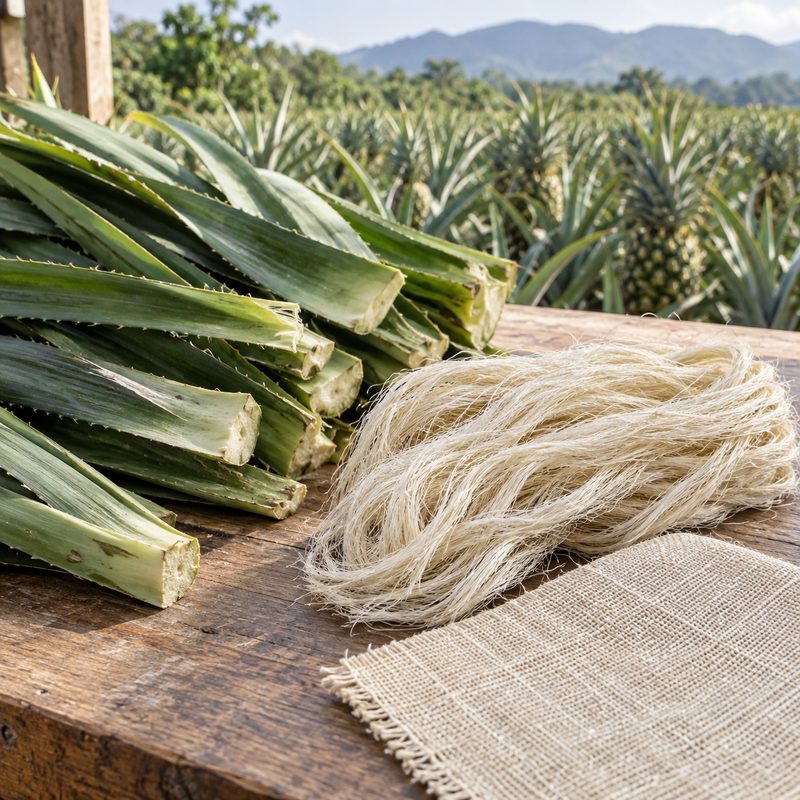
What Is Pineapple Leaf Fiber (PALF)? From Leaves to Spinnable Textile Fiber
Learn how pineapple leaf fiber is extracted, prepared for spinning, blended into yarn and evaluated for textile use—plus the claims...
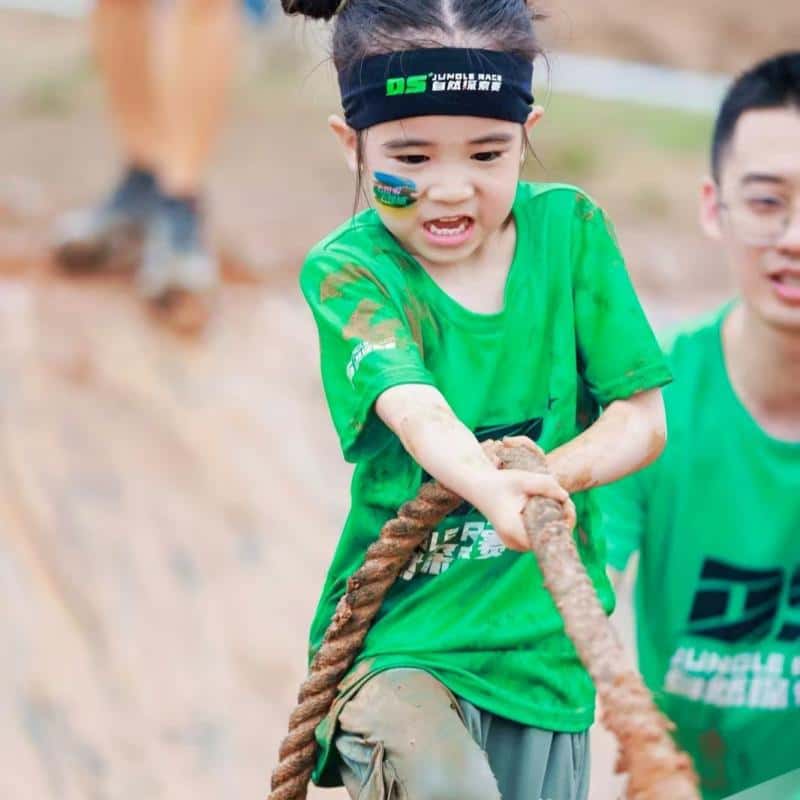
Kids Adventure Apparel Stain-Resistant Solution
How Cleenzo™ Easy-Clean Technology Liberated Parents from Laundry Anxiety The Parental Dilemma “I want my kids to explore, climb, and...
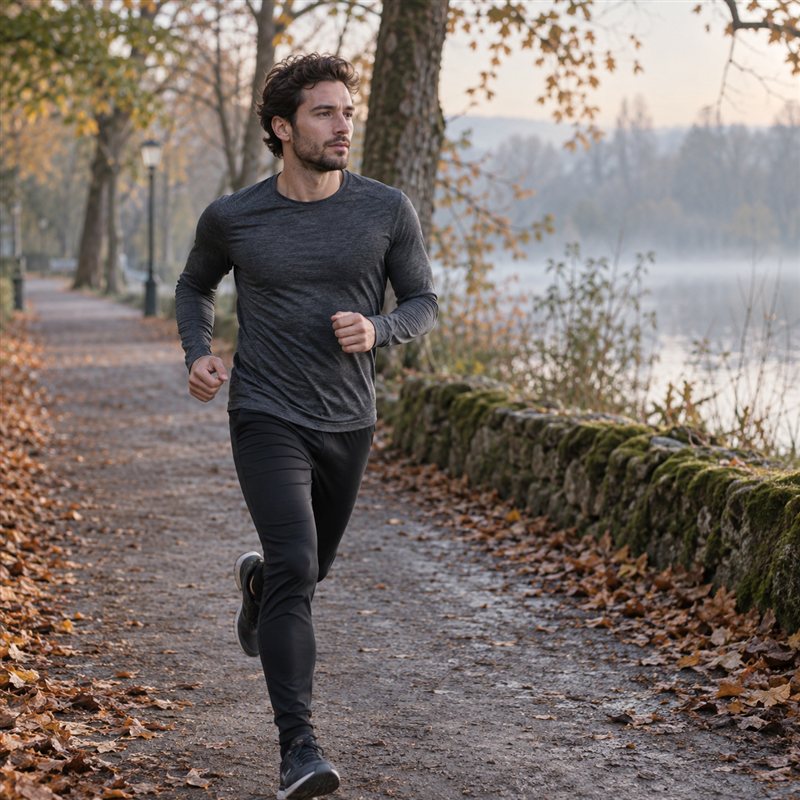
Far-Infrared Running Base Layer: Balancing Warmth and Sweat Management
A proposed two-route fabric development plan for a cool-weather far-infrared running base layer, comparing a 235 gsm winter-weight knit with...
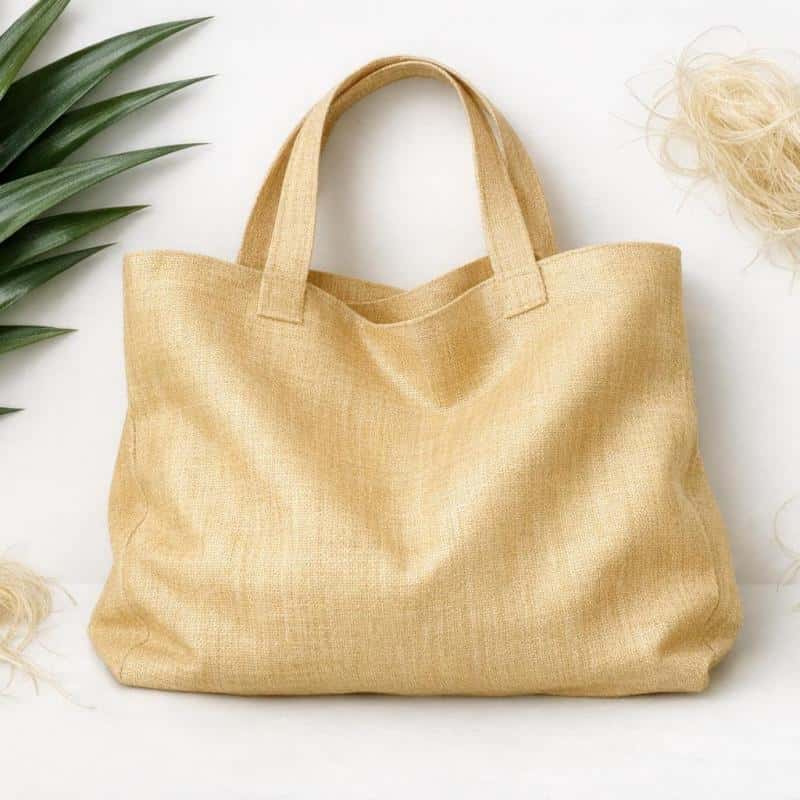
A Natural Antibacterial Solution for Sustainable Bags & Eco Accessories
Zero-Waste Agricultural Innovation · Pineapple Leaf Spun Yarn Technology The Challenge “We’ve committed to a fully biodegradable product line by...