 English
 Español
 Português
 Deutsch
 한국어
한국어 日本語
日本語 Italiano
 Français
 العربية
 Türkçe
The Answer Was
Lyocell.
Two weeks ago, we told you something new was coming — a new PCM host fiber, botanically derived, built for next-to-skin comfort. Today, we’re ready to tell you exactly what it is.

A few weeks ago, we introduced the idea of a new PCM host fiber — one that was botanically derived, softer, and designed specifically for next-to-skin contact. We kept the name to ourselves. Today, that changes.
The new host fiber is Lyocell. And the choice was not accidental.
Lyocell is a cellulose fiber derived from wood pulp — most commonly eucalyptus — produced through a closed-loop solvent spinning process that recovers and reuses over 99% of the solvent used. It is one of the most environmentally responsible fibers in modern textile production, and it brings a set of physical properties that make it uniquely suited to host PCM technology close to the body.
Why Lyocell — The Properties That Matter

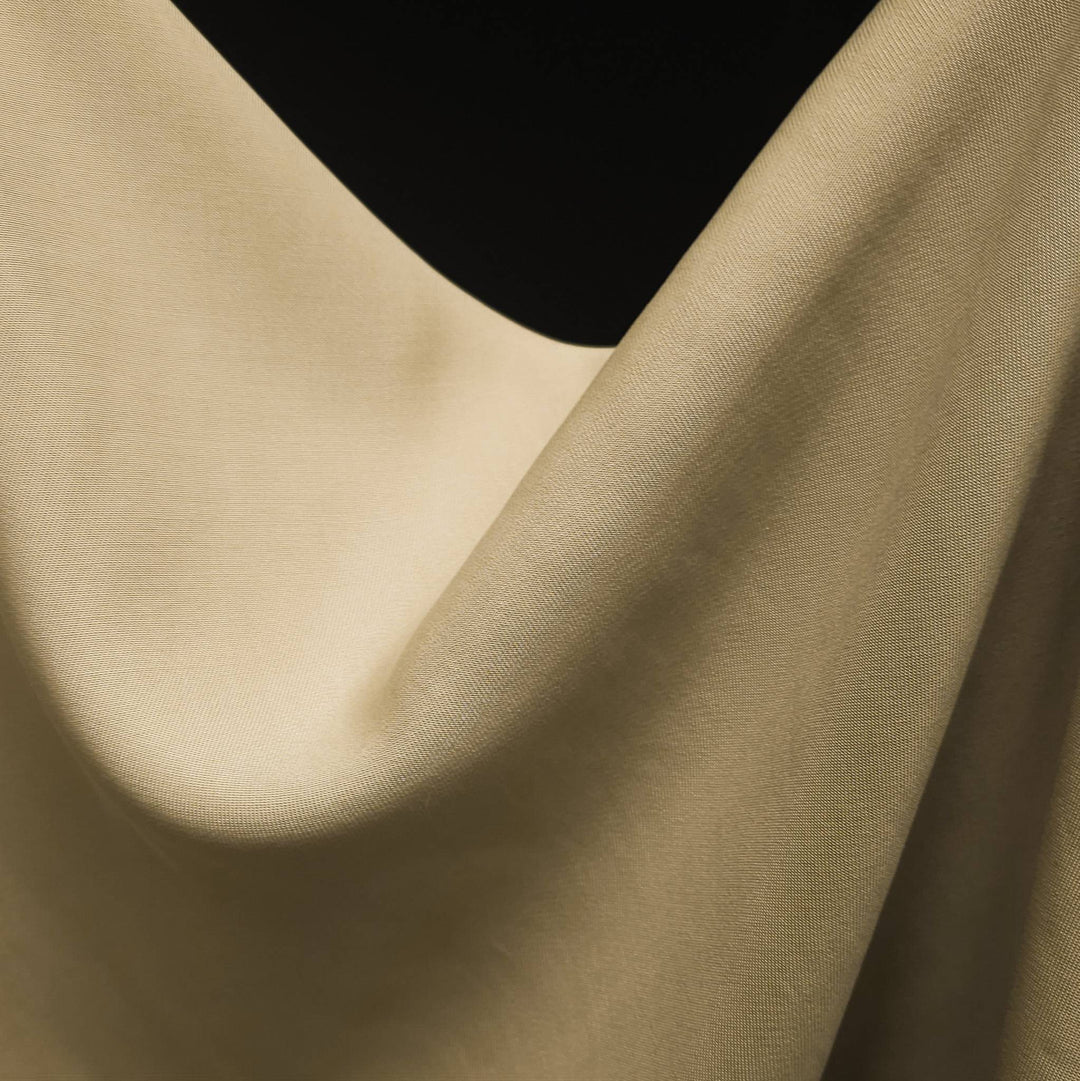
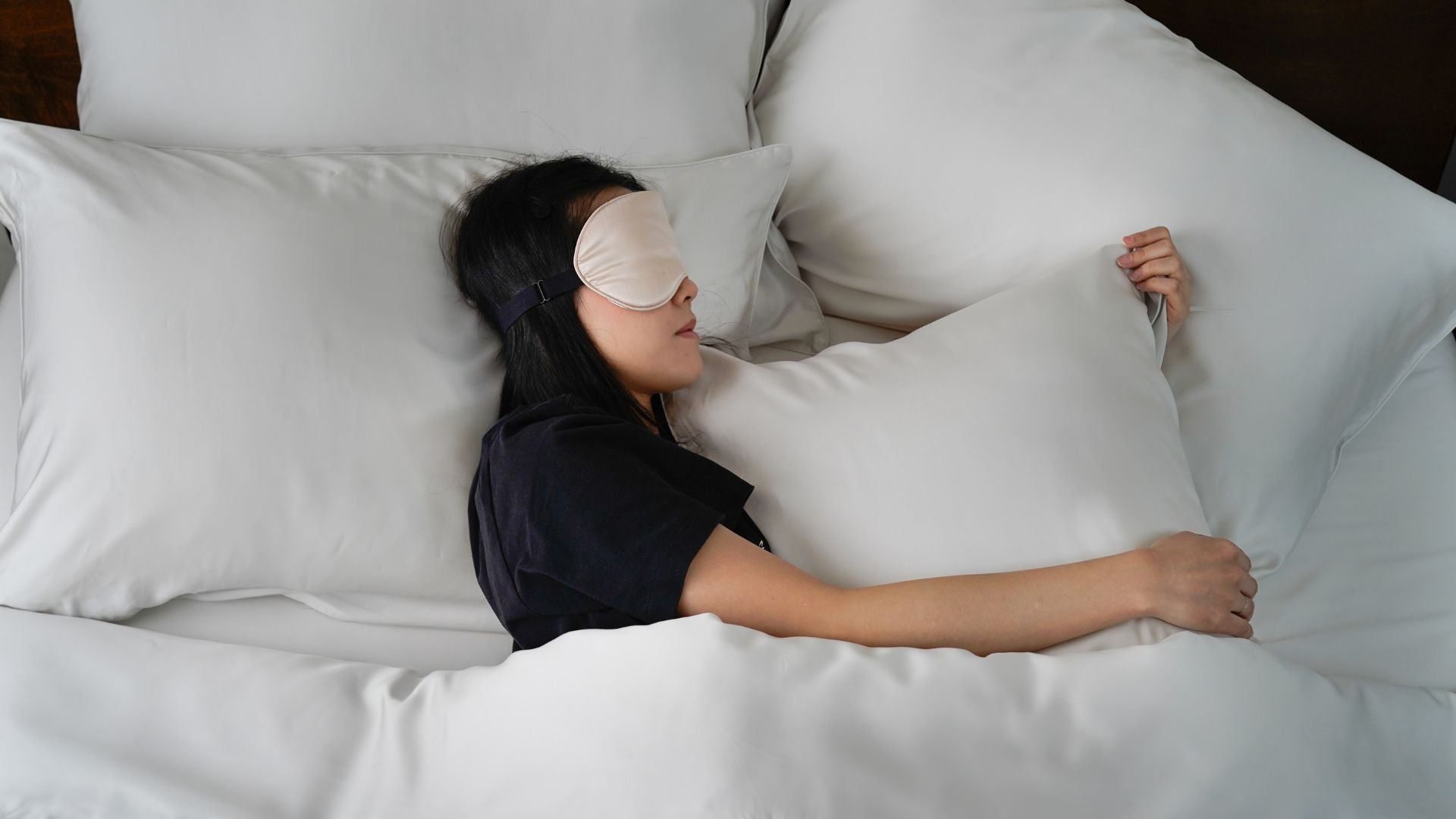

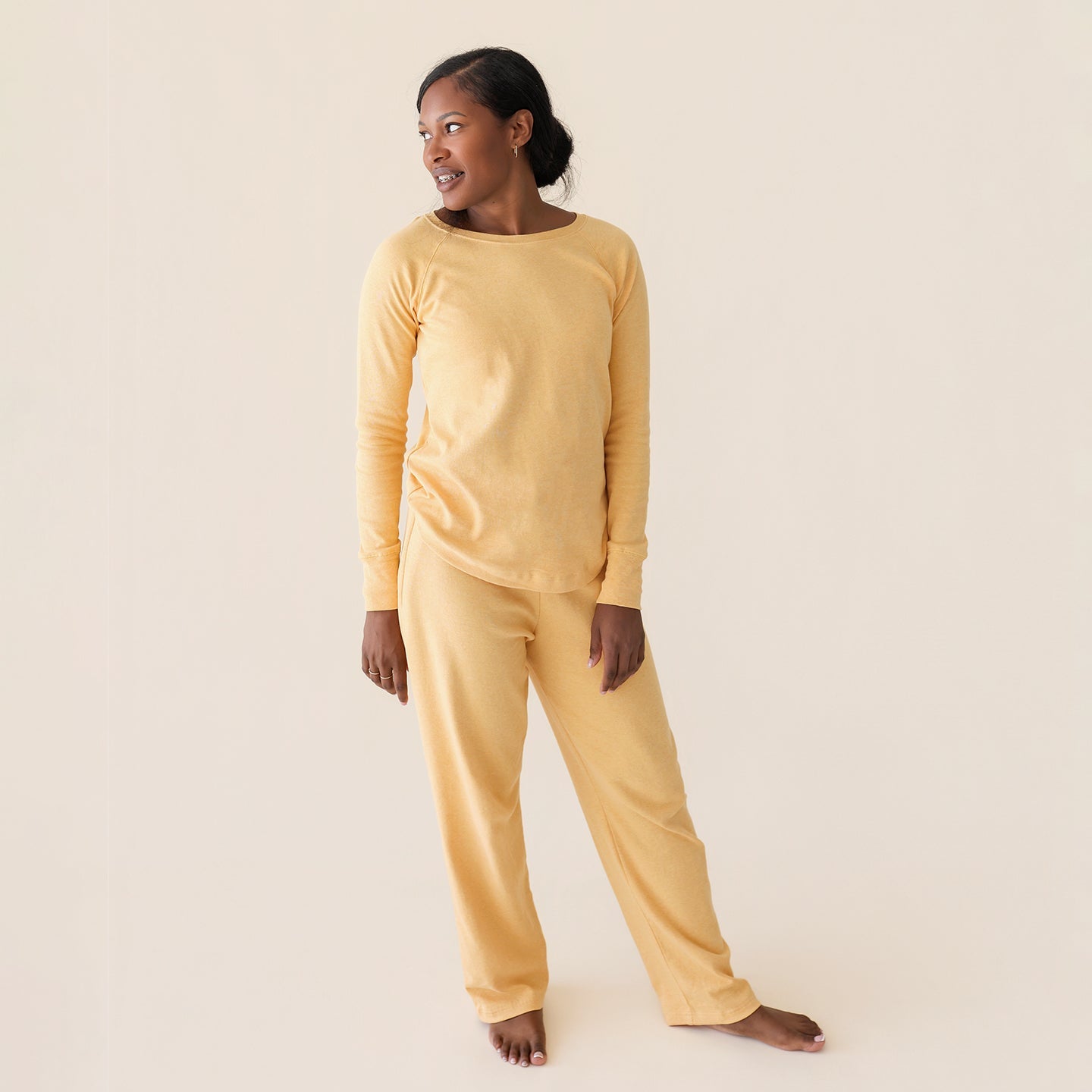

Product Specification
PCM + Lyocell: Why the Combination Works
PCM technology works by absorbing and releasing heat at a specific temperature threshold — creating a microclimate buffer between the body and its environment. But the host fiber determines how that technology is delivered to the skin.
Synthetic filament yarns offer durability and consistency. Surface-finished fabrics offer versatility. But for sleepwear, intimate apparel, and premium bedding — where the fabric is in constant, direct contact with the skin — neither is the ideal answer.
Lyocell brings the missing element: a host fiber that is soft enough to wear against bare skin, breathable enough to support the body’s natural thermoregulation, and botanically derived enough to align with the values of premium, conscious textile development. Paired with PCM, it doesn’t just cool — it manages. It doesn’t just touch the skin — it works with it.
Skinkey™ PCM Lyocell is a high-value functional fiber. It is priced accordingly — and intentionally so. PCM technology requires precision in both material selection and manufacturing, and Lyocell as a host fiber adds further cost through its responsible production process.
This fiber is designed for brands that compete on quality, comfort, and material integrity — not on price. It is not positioned for commodity cooling products or low-cost functional claims. If your brand is building around genuine skin comfort and a premium next-to-skin experience, this is the material for that conversation.

Related Posts

Skinkey™ Skin-Climate Botanical PCM Staple Fiber System Coming Soon
Skinkey™ PCM Expands:A New Base. A New Comfort. We are introducing a new generation of PCM staple fiber — a...

Solving Odor, Static & Skin Irritation in Post-Surgical Recovery Garments
Graphene Poly/Viscose Antibacterial Anti-Static Spun Yarn · Ne32s/1 Client Challenge “Our recovery garments trap odor, cause static cling, and patients...
Annie’s Smartex Leads the Industry with World’s First OEKO-TEX® Certified Aerogel Yarn Technology
Company News Annie’s Smartex Becomes First Company Worldwide to Achieve OEKO-TEX® Certification for Aerogel Technology Shanghai, China | Certified by...
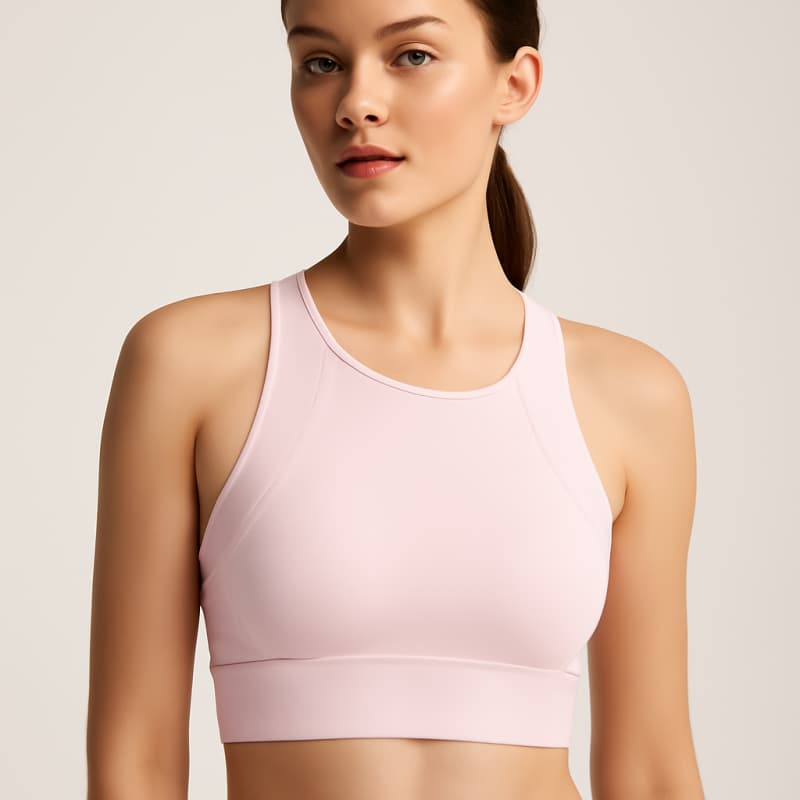
Skin Care Pearl Yarn Seamless Underwear
Where Luxury Skincare Meets Everyday Comfort The Challenge “Can underwear actually improve skin health, not just cover it?” A premium...