 English
 Español
 Português
 Deutsch
 한국어
한국어 日本語
日本語 Italiano
 Français
 العربية
 Türkçe
The climb is warm; the stop is cold. If you are developing a hiking midlayer, it has to work in both moments without filling the space beneath a weather shell. This development concept uses ShowarmX® hollow polyester yarn as one candidate for a light knit, alongside a solid-polyester control. The design question is where the garment should retain air, where it should release heat and whether the hollow route earns its place after knitting and care.
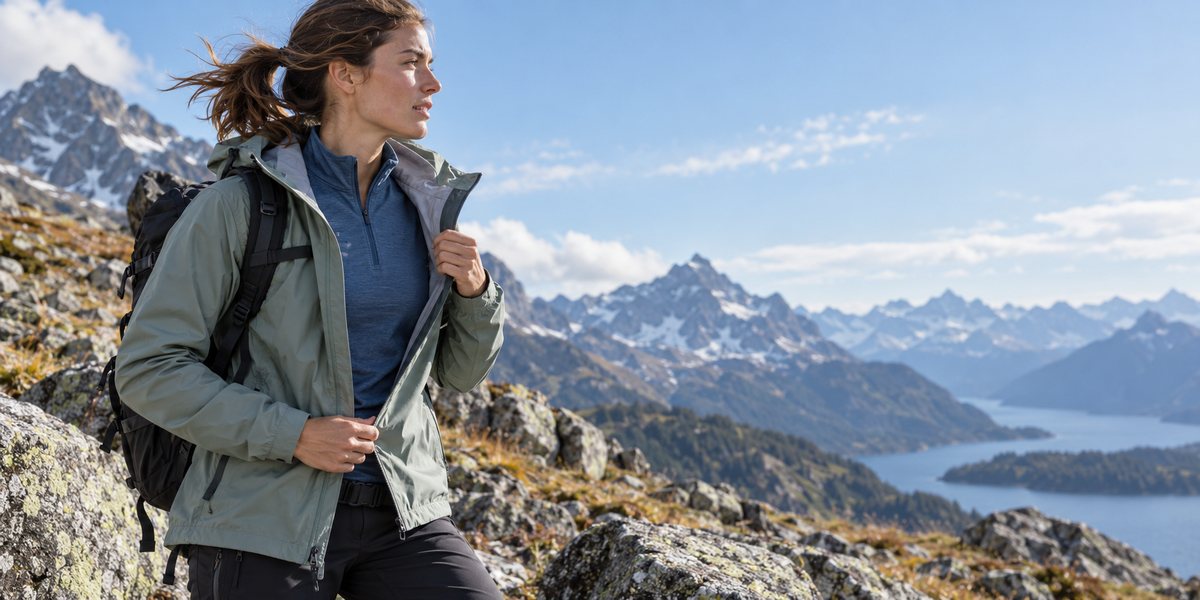
The product brief: warmth at the pause, freedom on the climb
A buyer could simply specify a heavier fleece. That may solve the cold pause, but it can add packed bulk beneath the shell and shoulder pressure beneath a backpack. A very thin jersey makes movement easier yet may leave too little insulating space when the pace drops. The proposed brief is a lightweight knit midlayer that holds useful air around the torso, fits beneath the planned shell and remains comfortable when the wearer is moving.
Before choosing yarn, the developer needs the intended season and activity, base layer and shell, target weight and fit, pack use, and care route. Without those inputs, “warmer” has no useful reference. The question is not how to make one impressive swatch; it is how to keep the whole layering system wearable.
Three choices shape this midlayer
Set the control before changing the yarn
Make a solid-polyester knit in the intended structure. It gives a baseline for fabric weight, thickness, hand feel and ease of knitting. If that control already meets the brief, the hollow yarn must offer a reason to change: a lighter result at comparable warmth, a less bulky silhouette, or another clearly agreed gain. Merely replacing a fiber name is not an outcome.
Put loft where pressure will not erase it
A hollow-polyester version can be knitted on the same machine and construction as closely as practical. Keep the torso panel as the main insulating zone; study whether a flatter shoulder or side panel helps under pack straps and the shell. This is a patterning option, not a proven body-mapping formula. The developer should compare how the panels actually feel and recover after compression rather than assume that extra loft is useful everywhere.
Use finishing to answer a garment question
One candidate may keep a smooth face for easier layering; another could add controlled inner loft. The second may feel warmer at a pause but could increase bulk or pilling. A full-brushed fleece would be a different route again. Which one wins depends on the shell fit, care behavior and finished fabric, so record finishing alongside yarn identity.
The hollow polyester yarn guide explains the fiber and fabric mechanisms in more detail. This case focuses on the garment decisions they create.
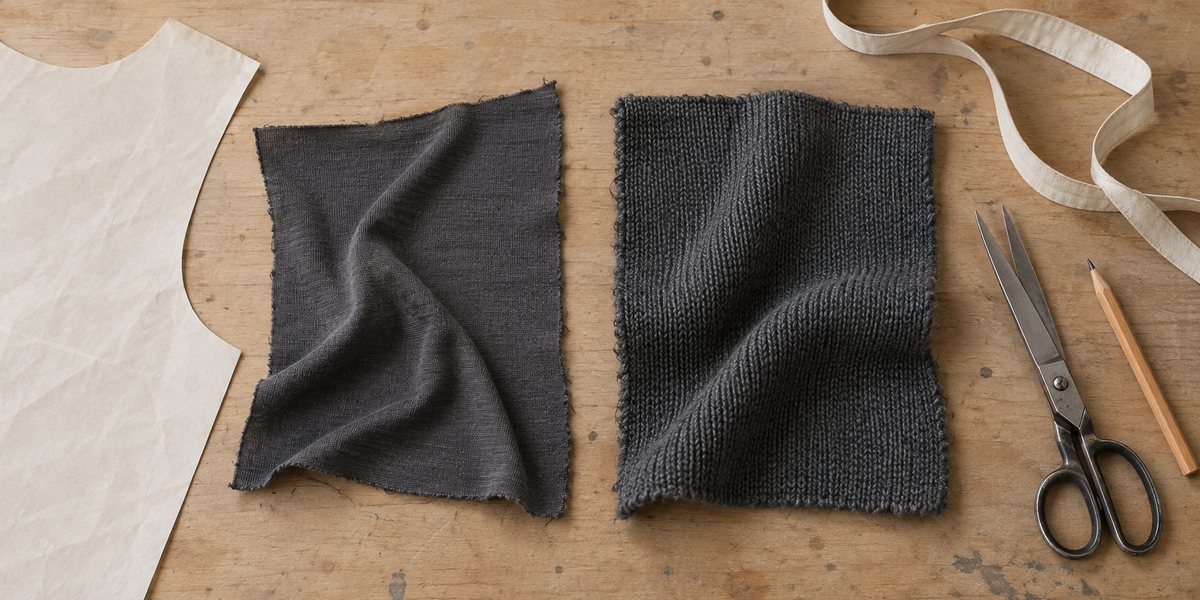
The proposed sample route
Start with a control, then change one major decision at a time. This is deliberately smaller than a full collection launch: it should tell the brand whether the material is worth a garment prototype.
| Sample | What changes | Decision it can support |
|---|---|---|
| A — solid-polyester control | Baseline yarn in the planned knit | What the current construction already delivers |
| B — hollow-polyester candidate | Yarn structure, with machine and knit variables kept as close to A as practical | Whether a lighter or less bulky knit meets the same garment task |
| C — hollow knit with adjusted finish or panel structure | One controlled loft or placement change | Whether construction improves the result enough to justify added complexity |
If B needs a different yarn count, loop length or gauge, write that on the sample record. It may still become the better garment, but its gain cannot be attributed to the hollow core alone. Request the exact available ShowarmX® count and supply form before the knitter commits to A/B/C. The product page lists several filament specifications; the suitable option for this knit needs confirmation.
What a trail-ready prototype has to resolve
Fabric testing comes first: measure finished weight, thickness, thermal resistance and water-vapour resistance for the control and candidate under the same stated conditions. ISO 11092:2026 addresses steady-state testing of fabrics and multilayer assemblies. Then check appearance, dimensions and relevant properties after the intended care route. None of these measurements alone tells a hiker how the garment will feel in changing weather.
The garment prototype adds the missing context. Try the planned base layer and shell. Observe movement at the shoulders, collar bulk beneath the shell, pressure under pack straps and moisture buildup at the back or underarms. If a lofty knit collapses where the backpack sits, place warmth elsewhere or choose a firmer construction. If the hollow candidate adds no useful warmth at the target weight, retain the solid knit. Those are legitimate outcomes of the comparison.
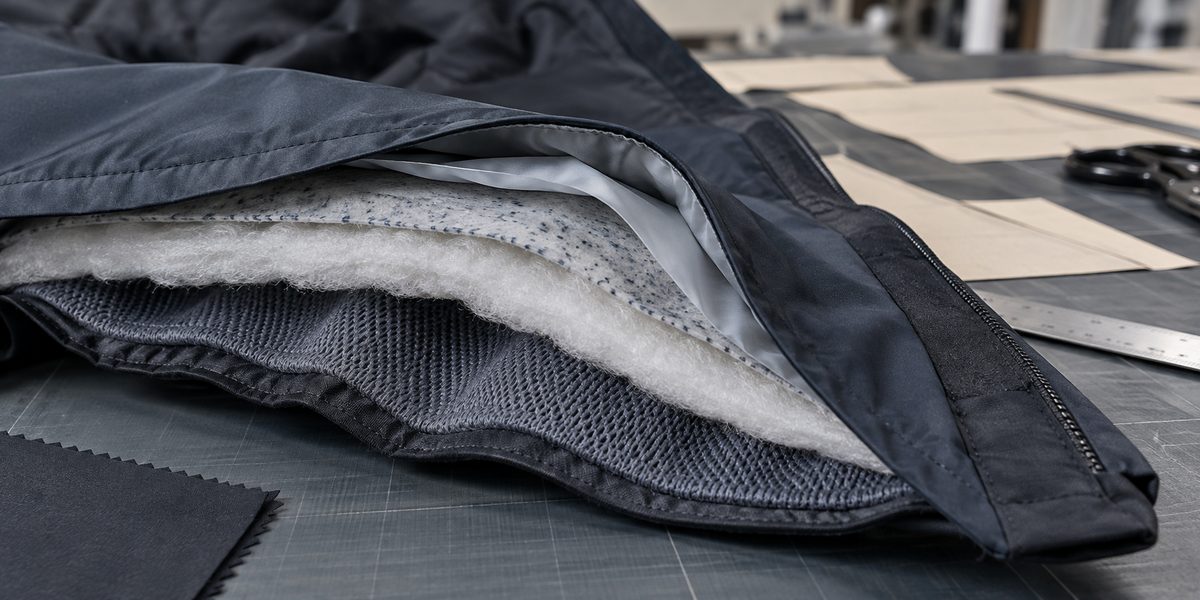
The decision before production
Choose the hollow route only if the finished midlayer meets the agreed warmth, weight, fit and care targets better than the control for this use. Otherwise, a conventional knit or a different jacket architecture may be the cleaner solution. Before a production claim, match the tested yarn and finished fabric to the bulk specification; the material’s hollow-degree description cannot stand in for a garment result.
Build the first midlayer comparison
Send Annie’s Smartex the intended activity and climate, target fit and weight, planned shell and base layer, knitting machine and gauge, care route and the current control fabric. The team can discuss an available hollow-polyester yarn starting point and a practical sample comparison.

Related Posts
How Does Hollow Polyester Yarn Keep Fabrics Warm Without Bulk?
When can hollow polyester yarn make a winter fabric lighter? Compare knit construction, solid polyester alternatives and finished-fabric warmth before...

Far-Infrared Running Base Layer: Balancing Warmth and Sweat Management
A proposed two-route fabric development plan for a cool-weather far-infrared running base layer, comparing a 235 gsm winter-weight knit with...

Biodegradable Polyester Solutions for Sustainable Retail Bags
Eco-Friendly Yarn Innovation · Earth Guard® Biodegradable Polyester Filament Technology The Challenge “We switched to reusable polyester bags two years...
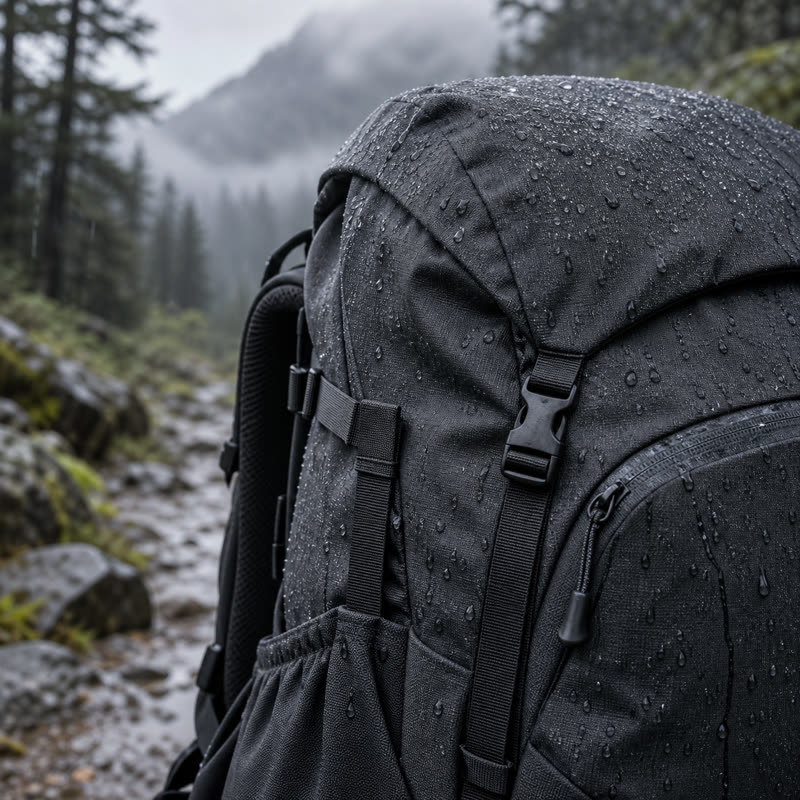
Water-Repellent Polyester Yarn for Outdoor Fabrics: What Buyers Should Specify and Test
Water-repellent polyester yarn can reduce surface wetting, but it does not automatically make outdoor fabric waterproof. Learn what to specify,...