 English
 Español
 Português
 Deutsch
 한국어
한국어 日本語
日本語 Italiano
 Français
 العربية
 Türkçe
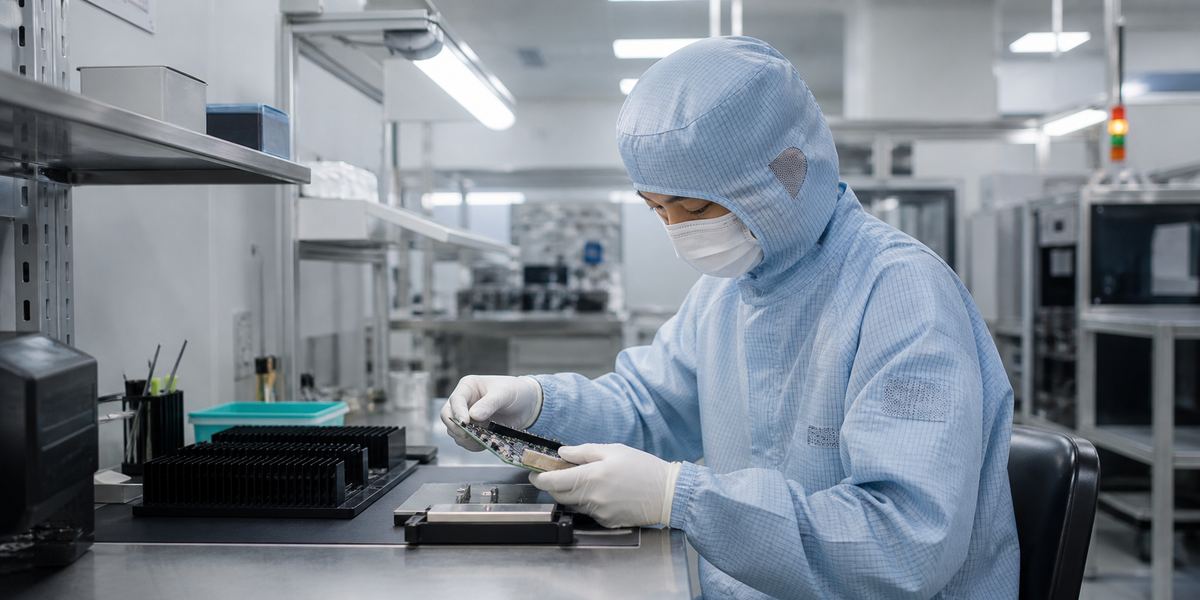
Por que uma vestimenta para sala limpa precisa de mais do que uma etiqueta antiestática?
Considere um briefing comum para o desenvolvimento de vestuário de trabalho para eletrônica: uma peça de roupa pode ser descrita como antiestática, mas a equipe ainda não possui as informações necessárias para qualificá-la para a área com controle de ESD pretendido. Este cenário se concentra especificamente na tradução de fios de filamento antiestático de fibra de carbono + poliéster/nylon — também pesquisados como fios antiestáticos — em uma especificação de vestuário para sala limpa e ESD. Para critérios mais abrangentes de seleção de fios, consulte nosso guia de compra de fios antiestáticos.
Qual fio condutor deve ser usado? Como ele deve ser distribuído no tecido? O tecido permanecerá confortável o suficiente para um turno de oito horas? E, mais importante, como a peça finalizada será validada como parte do programa de controle de descarga eletrostática da instalação?
Como especificar fios antiestáticos para vestuário de trabalho em salas limpas e ambientes ESD
A resposta não começou com a cor ou a densidade do fio. Começou com o ambiente operacional e o objetivo da validação. O controle de partículas em salas limpas e o controle eletrostático se sobrepõem, mas não são o mesmo requisito — e nenhum deles pode ser garantido apenas pelo fio.
Defina o risco real e o ambiente operacional.
Na fabricação de eletrônicos, o tecido e a vestimenta estão inseridos em um programa mais amplo de controle de ESD (descarga eletrostática) que pode incluir aterramento, calçados, pisos, superfícies de trabalho e procedimentos de manuseio. A norma IEC 61340-5-1:2024 é uma referência relevante em nível de programa para organizações que lidam com componentes eletrônicos sensíveis à eletricidade estática. Ela não é um certificado de produto que se aplica automaticamente a um fio.
Selecione um fio base adequado à estrutura do tecido.
A Smartex da Annie oferece fios de filamento antiestático de fibra de carbono + poliéster/nylon nas opções 50D, 75D, 100D, 150D e 300D. A escolha correta depende da gramatura do tecido, do toque, da configuração do tear ou da máquina de tricô, da aplicação final e da rede condutora exigida pelo designer do tecido.
Projete a rede condutora pretendida.
O filamento antiestático pode ser introduzido em um padrão de listras ou grade no tecido base. O espaçamento da grade não é uma receita universal: um padrão mais denso pode alterar a condutividade, a aparência, o custo e o toque do tecido, portanto, a fábrica deve criar protótipos de mais de uma construção em vez de copiar um espaçamento arbitrário de outra peça de roupa.
Classifique o fio, o tecido e a peça de vestuário como camadas separadas.
Teste o fio recebido, depois o tecido (tecido plano ou de malha) e, por fim, a peça de vestuário costurada na configuração em que será efetivamente utilizada. A construção das costuras, os fechos e o design de aterramento da peça podem interromper uma rede condutora que, de outra forma, seria promissora. Se a adequação para salas limpas também for necessária, a liberação de partículas e a adequação dos consumíveis precisam ser avaliadas separadamente. A norma ISO 14644-1 classifica a limpeza do ar da sala, não o fio, enquanto a ISO 14644-18:2023 fornece orientações para avaliar a adequação de consumíveis pessoais e não pessoais utilizados em salas limpas. O desempenho funcional ainda requer testes separados.
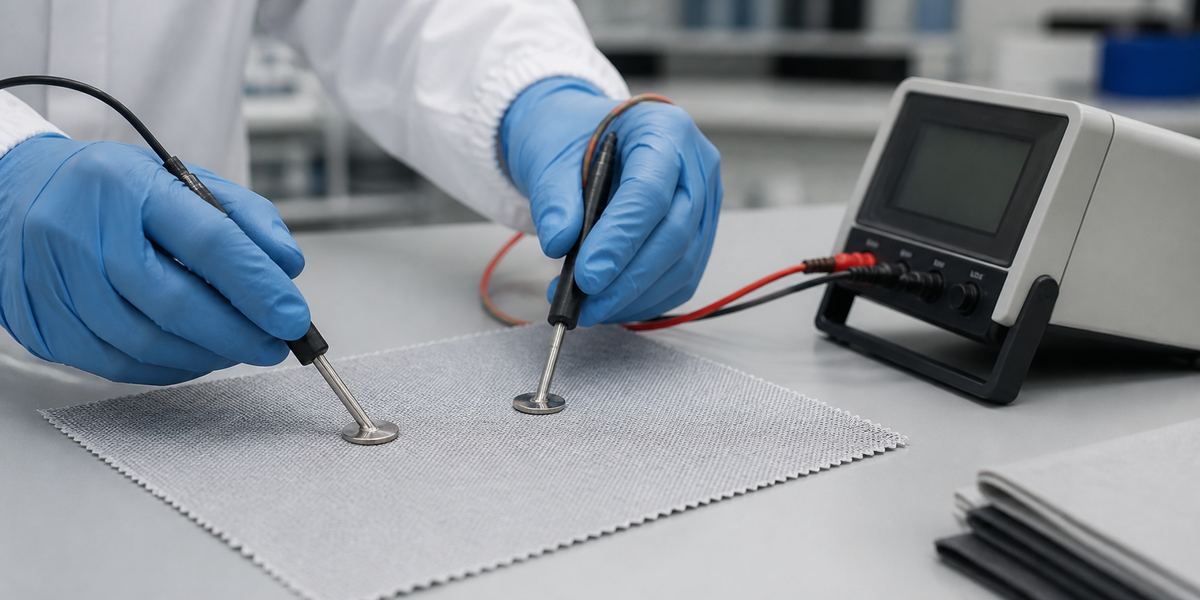
Resultado do caso: Um resumo testável sobre tecidos para vestuário em salas limpas
O resultado proposto é um documento de desenvolvimento que pode ser analisado por um fornecedor de fios, uma fábrica de tecidos, um fabricante de vestuário e um gestor de ESD. Ele não promete um valor de resistência antes da existência de uma amostra. Em vez disso, define as variáveis que devem ser controladas e deixa as afirmações de desempenho para o método de teste acordado.
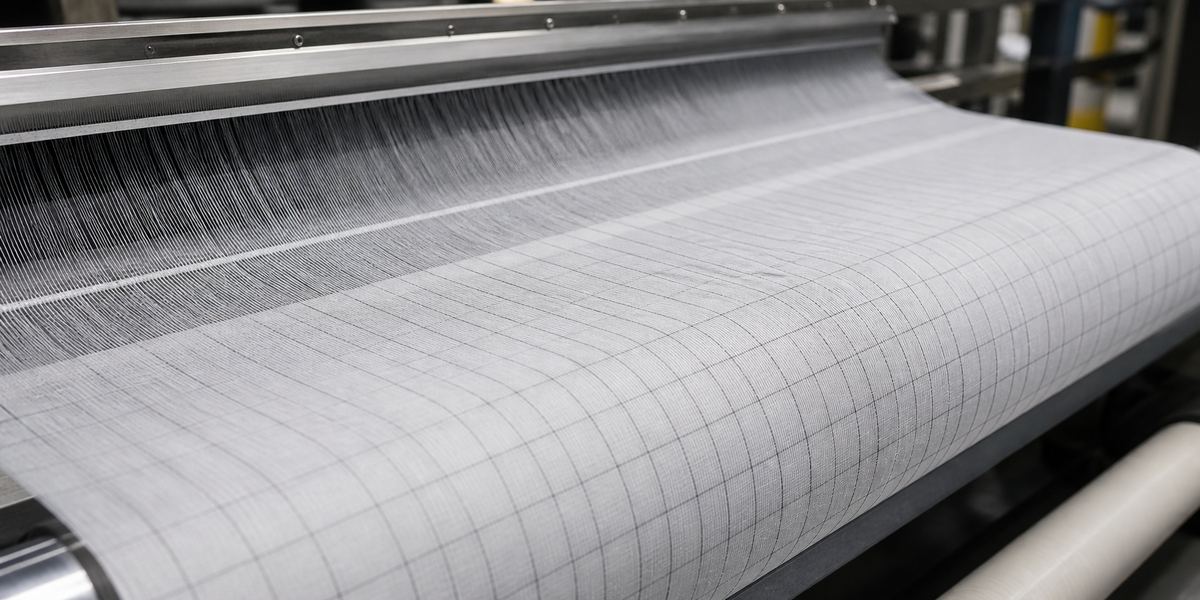
O que deve ser incluído nas especificações de um tecido antiestático para vestuário?
Antes de solicitar amostras, os compradores precisam de detalhes suficientes para comparar as construções e definir o plano de testes. Esses campos tornam a solicitação de cotação viável.
| Campo de especificação | O que definir | Por que é importante |
|---|---|---|
| Ambiente de uso final | Montagem de componentes eletrônicos, manuseio de semicondutores, vestimenta de trabalho para laboratório ou outra área controlada. | Riscos diferentes levam a sistemas de vestuário e testes diferentes. |
| Polímero base e espessura do fio | Fabricação em poliéster ou nylon; avalie as opções disponíveis em 50D, 75D, 100D, 150D ou 300D. | Altera o peso, a textura, o processamento e o design do tecido. |
| Layout condutivo | Conceito de listras ou grade, espaçamento proposto e continuidade entre os painéis. | O caminho condutor deve resistir à transferência do rolo de tecido para a peça de roupa costurada. |
| Requisitos de tecido | Peso, largura, trama/malha, cor, permeabilidade ao ar, resistência à abrasão e condições de cuidado. | O desempenho ESD só é útil se a vestimenta permanecer vestível e fabricável. |
| Plano de verificação | Método de ensaio, condicionamento, tamanho da amostra, limites de aceitação e laboratório responsável. | Impede que fornecedor e comprador usem as mesmas palavras para medidas diferentes. |
| Adequação para salas limpas | Avaliação da dispersão de partículas e requisitos de consumíveis específicos da instalação | Os termos “antiestático” e “compatível com salas limpas” não são intercambiáveis. |
Por que não confiar apenas em um acabamento antiestático tópico?
Um acabamento pode ser apropriado para alguns produtos, e uma construção com fios condutores pode ser apropriada para outros. A decisão deve ser baseada no processo de cuidado, na vida útil desejada, no nível de conforto pretendido, na aparência e nos dados de qualificação — e não em uma afirmação genérica de que uma abordagem é sempre permanente ou sempre melhor.
Neste cenário, especificar onde e como o filamento antiestático de fibra de carbono é incorporado permite definir e controlar o layout condutor durante a amostragem. A durabilidade após a lavagem ainda precisa ser testada de acordo com o protocolo de lavagem do comprador. Para uma comparação mais ampla de materiais, veja qual material têxtil é antiestático.
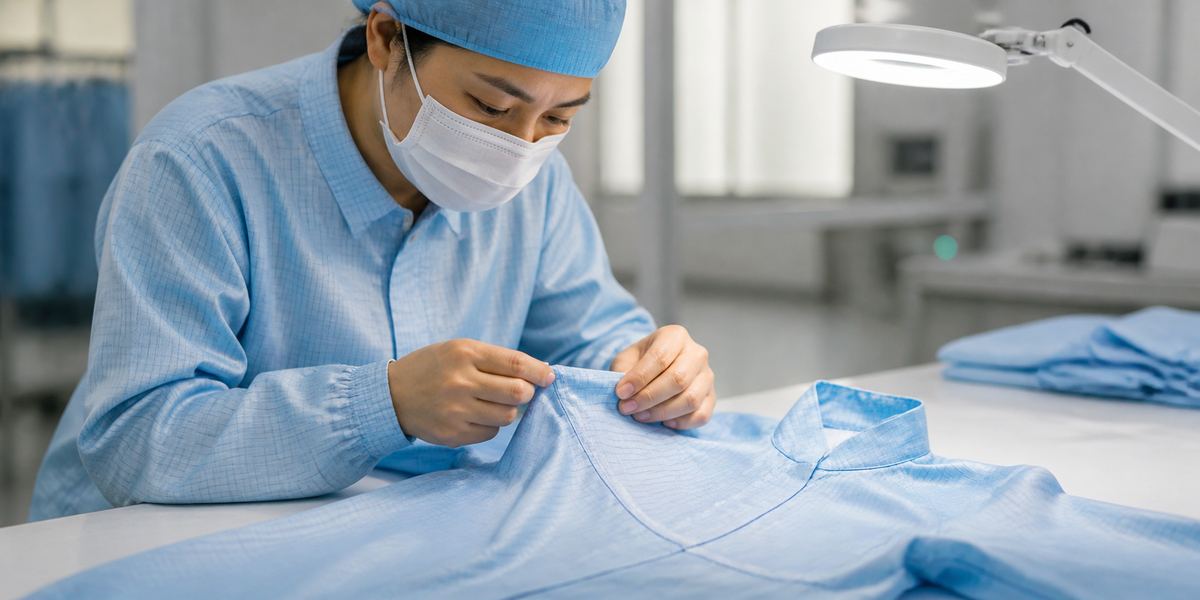
Perguntas frequentes de compradores sobre fios antiestáticos para vestuário de trabalho ESD
Fio de fibra de carbono antiestático é o mesmo que tecido resistente a ESD?
Não. O fio é apenas um componente. A construção do tecido, a colocação do fio condutor, o design da peça de vestuário e o resultado do teste determinam se o sistema final atende aos requisitos do comprador.
Qual a espessura em denier que uma vestimenta para sala limpa deve ter?
Não existe um denier ideal. Comece considerando o peso do tecido desejado, o conforto, a compatibilidade com a máquina e a disposição dos condutores, e então compare os protótipos. A Smartex da Annie lista opções de 50D, 75D, 100D, 150D e 300D para este produto.
O fio antiestático torna uma peça de roupa certificada para salas limpas pela ISO?
A norma ISO 14644-1 classifica a limpeza do ar pela concentração de partículas. Uma peça de roupa ou um fio não herda automaticamente uma classe de sala limpa. Os usuários de salas limpas devem avaliar separadamente a liberação de partículas e a adequação do ambiente em seus procedimentos operacionais.
Que informações devo enviar antes de solicitar uma amostra?
Compartilhe informações sobre a finalidade de uso, a construção do tecido, a gramatura desejada, a fibra base, a cor, o método de lavagem, a ideia de layout condutor, o padrão ou método de teste, os limites de aceitação exigidos e a quantidade de amostras esperada. Caso esses detalhes ainda não estejam definidos, nossa equipe pode ajudar a transformar a solicitação em uma matriz de amostragem.
Desenvolvendo vestuário de trabalho ESD ou para salas limpas?
Envie-nos o polímero base, a gramatura desejada do tecido, a construção, o método de lavagem e os requisitos de validação. Podemos recomendar um tamanho de fio inicial e ajudar sua fábrica a elaborar um plano prático de amostragem e validação.

Artigos relacionados

Como escolher fios antiestáticos para vestuário de trabalho industrial: um guia do comprador
Escolher o fio antiestático errado pode custar à sua empresa muito mais do que dinheiro. Já vi fabricantes de eletrônicos perderem produções inteiras...

Tecido para camisa de futebol com transferência de umidade unidirecional: um caso de desenvolvimento SiPHONiX®
Um estudo de caso prático para a especificação do tecido SiPHONiX® para camisas de futebol com transferência de umidade unidirecional, desde o posicionamento dos fios e a construção da malha até os testes...

Solução para odores, estática e irritação da pele em roupas de recuperação pós-cirúrgica.
Fio fiado antibacteriano e antiestático de grafeno e poliéster/viscose · Ne32s/1 Desafio do cliente: “Nossas roupas de recuperação retêm odores, causam aderência estática e os pacientes...

Qual material têxtil é antiestático?
Você já tirou um suéter e seu cabelo ficou arrepiado? Ou tentou alcançar uma maçaneta...?