 English
 Español
 Português
 Deutsch
 한국어
한국어 日本語
日本語 Italiano
 Français
 العربية
 Türkçe
Have you ever finished an intense workout only to feel weighed down by sweat-soaked clothing? As athletes and fitness enthusiasts, we’ve all experienced that uncomfortable sensation. Modern moisture-wicking fabrics are transforming the athletic wear landscape, offering a solution that keeps you dry and comfortable during your most challenging workouts.
How Moisture-Wicking Fabric Actually Works
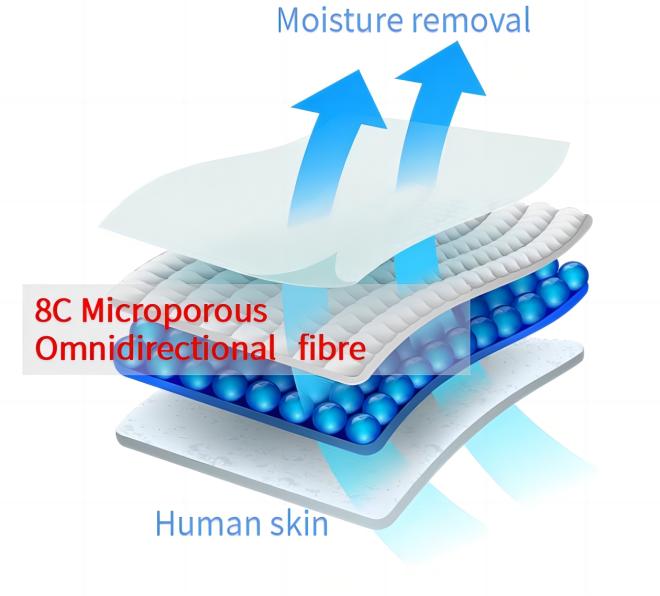
When you exercise, your body produces sweat as a natural cooling mechanism. Traditional cotton fabrics absorb this moisture, becoming heavy and creating an uncomfortable, clingy sensation against your skin. Moisture-wicking fabrics, powered by advanced technologies like the 8C microporous structure, work differently. These innovative materials use specialized fiber structures to create a pressure difference that actively moves moisture away from your skin to the fabric’s outer surface, where it can evaporate quickly 1.
When it comes to athletic performance, drying time makes all the difference. Laboratory tests reveal significant variations in moisture management capabilities across different fabric technologies. The data presents a compelling story about fabric efficiency in moisture handling.
| Fabric Type | Drying Time (minutes) | Moisture Retention |
|---|---|---|
| Regular Cotton | 45+ | High |
| Basic Polyester | 25 | Moderate |
| 8C Microporous | 8-10 | Low |
Regular cotton, despite its natural comfort, takes over 45 minutes to dry and retains significant moisture, creating that heavy, damp feeling during workouts. Basic polyester shows improved performance with a 25-minute drying time and moderate moisture retention, suitable for light activities.
8C Microporous technology demonstrates superior performance with an 8-10 minute drying time and minimal moisture retention. This rapid moisture management capability helps maintain optimal body temperature during intense physical activities, making it particularly effective for high-performance athletic wear.
8C Microporous Fast Wicking Test
1: Enhanced Temperature Regulation
One of the most significant advantages of moisture-wicking fabrics is their ability to help regulate your body temperature during physical activity. Research has shown that proper moisture management can significantly impact athletic performance by maintaining optimal body temperature. The 8C microporous technology creates a three-dimensional structure within the fabric that facilitates both moisture movement and air circulation, helping your body maintain its ideal temperature range during various activity levels 2.
What makes this particularly effective is the microclimate regulation built into the 8C groove structure. When you’re pushing hard during a workout, the fabric actively spreads sweat to the outer surface for rapid evaporation, cooling your skin. During rest periods, the same cavities within the structure trap a layer of still air, slowing heat loss and helping your body recover more efficiently — a dual function that standard polyester simply cannot replicate.
2: Improved Athletic Performance
Studies have demonstrated that wearing moisture-wicking garments can lead to better athletic performance compared to traditional cotton clothing. Athletes wearing moisture-wicking fabrics showed improved endurance and reported feeling less fatigued during high-intensity activities. This improvement is attributed to the fabric’s ability to maintain a more stable microclimate next to the skin, allowing the body’s natural cooling mechanisms to work more efficiently 3.
When your body isn’t spending energy managing heat stress caused by trapped sweat, more of that energy goes directly into your performance. Whether you’re running intervals, cycling long distances, or training through a high-intensity circuit, a fabric that keeps your skin dry and your core temperature stable translates directly into more reps, more miles, and faster recovery between sessions.
3: Comfort and Skin Health
Beyond performance benefits, moisture-wicking fabrics contribute significantly to overall comfort and skin health. The quick-drying properties of these materials help prevent the growth of bacteria and reduce the risk of skin irritation that can occur with prolonged exposure to moisture. Advanced moisture-wicking technologies, such as the 8C microporous structure, have demonstrated superior water absorption rates of up to 342%, ensuring rapid moisture transfer away from the skin 4.
4: Odor Control and Antibacterial Protection
One of the most overlooked benefits of moisture-wicking fabric is its role in controlling workout odor. Odor doesn’t come from sweat itself — it’s produced when sweat lingers on the skin and becomes a breeding ground for bacteria. By rapidly moving moisture away from the body and accelerating evaporation, moisture-wicking fabrics dramatically reduce the conditions that allow odor-causing bacteria to thrive.
The 8C microporous structure’s ability to dry in as little as 8-10 minutes means bacteria have significantly less time to multiply compared to cotton, which can stay damp for 45 minutes or more. For athletes who train multiple times a day, or wear athletic wear throughout the day, this benefit directly impacts both hygiene and garment longevity. Fabrics that stay drier, stay fresher — and that means less reliance on chemical antibacterial treatments that can degrade fiber performance over time.
5: Reduced Chafing and Skin Irritation
Prolonged contact between wet fabric and skin is one of the leading causes of chafing, rashes, and irritation during athletic activity. When cotton or low-performance polyester becomes saturated with sweat, it creates a rough, heavy surface that drags against the skin with every movement — a particular problem in high-friction areas like the inner thighs, underarms, and waistband zones.
Moisture-wicking fabrics address this at the structural level. By keeping the fabric surface consistently dry, they reduce the friction coefficient between fabric and skin. The 8C microporous fiber’s lightweight, fluffy structure — a direct result of its 3D groove design — means the fabric sits lightly against the body rather than clinging to it. For endurance athletes, this difference between a dry, smooth fabric surface and a wet, heavy one can mean the difference between finishing strong and stopping early due to discomfort.
6: Versatile Performance Across All Activities and Climates
Whether you’re practicing yoga in a studio or running outdoors in varying weather conditions, moisture-wicking fabrics adapt to different activity levels and environmental conditions. The technology works effectively in both high-intensity workouts and lower-impact activities, providing consistent moisture management regardless of the exercise intensity or ambient conditions 2.
7: Built to Last — Durability Through Hundreds of Wash Cycles
Quality moisture-wicking fabrics maintain their performance characteristics even after multiple wash cycles, making them a worthwhile investment for your athletic wardrobe. Advanced materials like those featuring 8C microporous technology are engineered to retain their moisture-management properties throughout the garment’s lifetime, ensuring consistent performance during every workout 4.
Advanced Technology in Action
Modern moisture-wicking fabrics represent a significant advancement in textile engineering. The 8C microporous technology, for example, features a unique groove structure that creates a powerful siphon effect. This design allows for rapid moisture spreading across the fabric surface, facilitating faster evaporation and maintaining a dry, comfortable environment next to your skin 1.
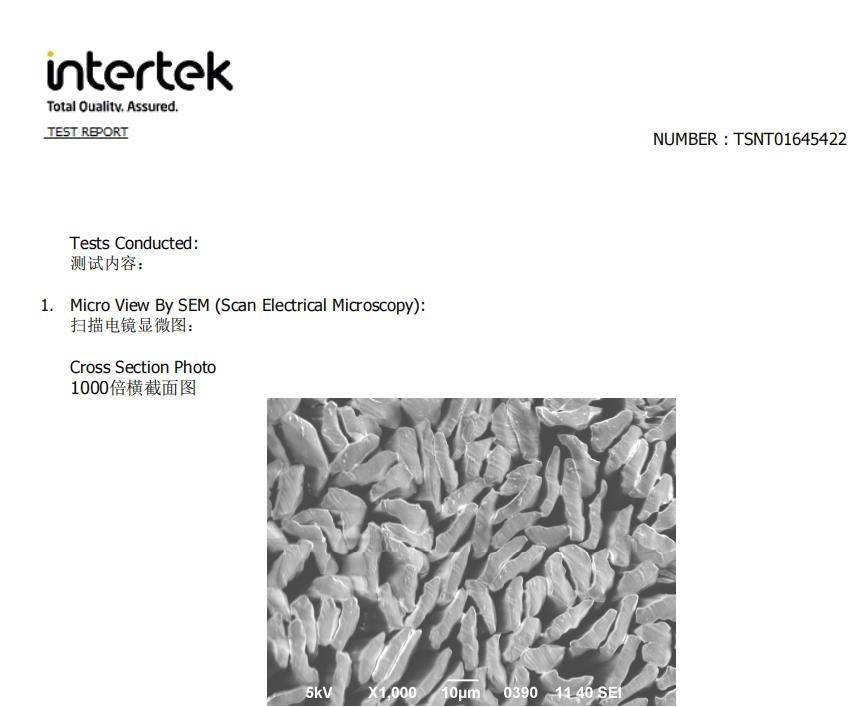
8C 1000X Cross Section Photo
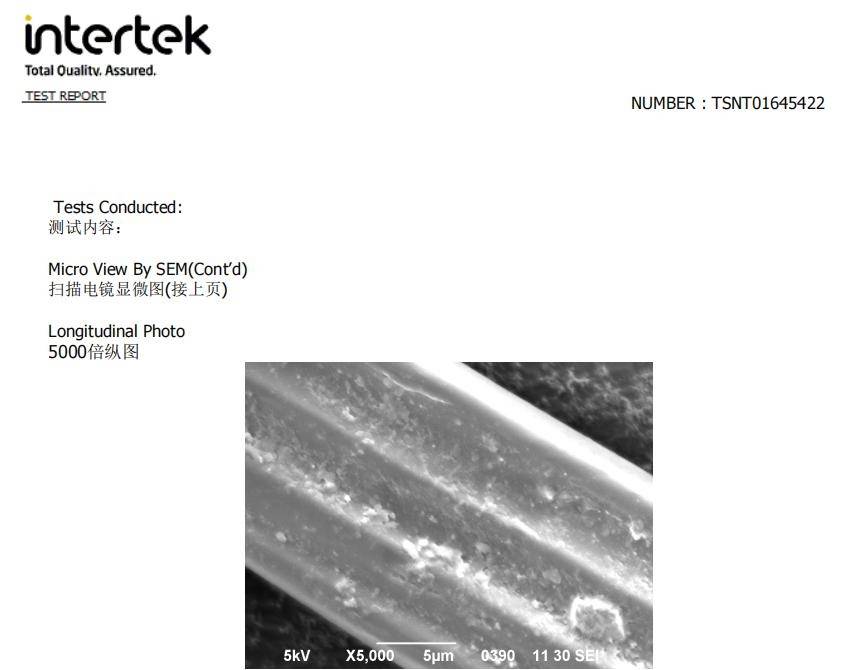
8C 5000X Longitudinal Photo
Conclusion
The evolution of moisture-wicking technology in athletic wear represents a significant advancement in sports apparel. These fabrics don’t just keep you dry – they actively contribute to your comfort, performance, and overall exercise experience. By choosing garments with advanced moisture-wicking properties, you’re investing in your athletic performance and comfort.
If you’re developing athletic wear that needs to perform across varying climates, activity levels, and wearing durations, 8C Microporous technology offers a proven solution backed by laboratory data and real-world performance. Contact our team to request samples or learn more about how IcSnow® 8C Microporous yarn can elevate your next collection.
FAQ
Q: Does moisture-wicking fabric actually keep you cool?
A: Yes — but the cooling effect comes from accelerating your body’s natural sweating process, not from the fabric itself being cold. When moisture-wicking fabric moves sweat to the outer surface quickly, evaporation happens faster, and evaporation is what removes heat from your skin. 8C Microporous fabric enhances this further through its fourfold siphon effect — absorption, conduction, diffusion, and evaporation working simultaneously — creating a measurably cooler microclimate against your skin compared to cotton or standard polyester.
Q: Is moisture-wicking fabric good for hot and humid weather?
A: Moisture-wicking fabric performs significantly better than cotton in hot and humid conditions, though fabric structure matters. Basic polyester wicking can struggle when ambient humidity is already high, as there’s less capacity for sweat to evaporate into saturated air. 8C Microporous technology addresses this through its three-dimensional groove structure, which creates multiple simultaneous moisture transport pathways — maintaining effective wicking performance even when environmental moisture levels are elevated, making it particularly well-suited for tropical or summer outdoor training.
Q: What is the best moisture-wicking fabric for working out?
A: The best moisture-wicking fabric depends on your activity intensity and environment. For general gym use, standard polyester wicking fabrics offer reliable performance. For high-intensity training, outdoor sports, or all-day wear across varying conditions, fabrics built on advanced fiber structures deliver superior results. IcSnow® 8C Microporous fabric consistently outperforms standard options with a drying time of just 8-10 minutes — compared to 25 minutes for basic polyester and 45+ minutes for cotton — and a water absorption rate of up to 342%, making it one of the most effective options currently available for athletic wear.
Q: How do you wash moisture-wicking fabric without ruining its performance?
A: Machine wash in cold water on a gentle cycle and air dry whenever possible. Avoid fabric softeners — they coat the fiber surface and block the microscopic channels responsible for moisture transport, directly reducing wicking performance over time. High heat from tumble drying can also degrade fiber structure. 8C Microporous fabric is engineered to retain its moisture-management properties through extended wash cycles, but following these basic care guidelines will ensure consistent performance throughout the garment’s lifetime.
Citations:
1: Research from SmartexYarn’s 8C Microporous Technology Documentation (2024)
2: Sports Technology and Athletic Performance Enhancement Study, CAS Insights (2024)
3: Human Performance Research Laboratory Studies, Western Michigan University (2023)
4: National Center for Biotechnology Information, PMC9051004 (2022)

Related Posts
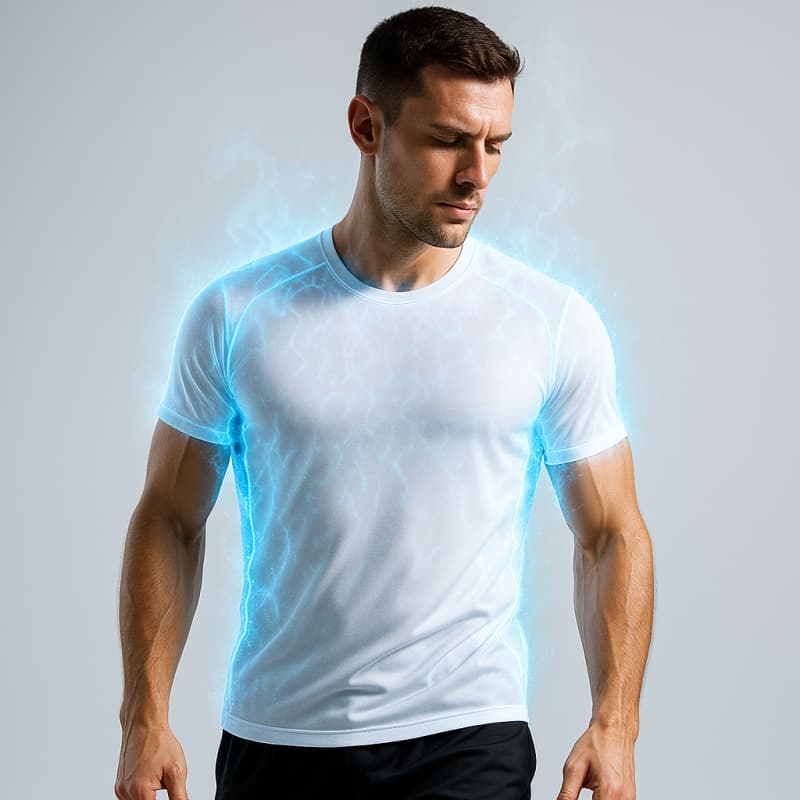
How to Choose Moisture Wicking Yarn for Athletic Apparel Manufacturing
When you’re designing athletic wear, the fabric’s ability to manage moisture can make or break the wearer’s experience. Whether it’s...
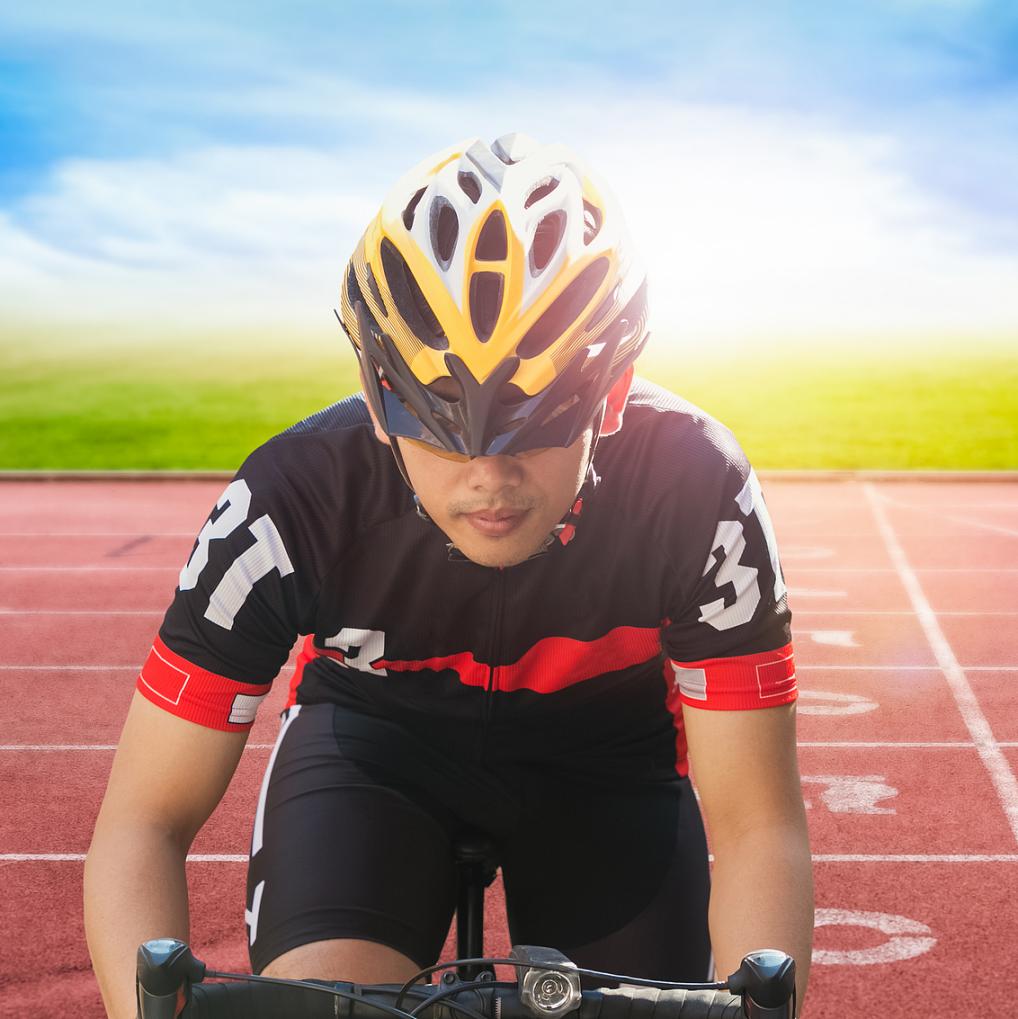
The Evolution of 8C Microporous Technology: From Basic Moisture Wicking to All-in-One Athletic Fabric
What is 8C Microporous Technology and How It Revolutionized Moisture Management Have you ever wondered why some athletic wear keeps...
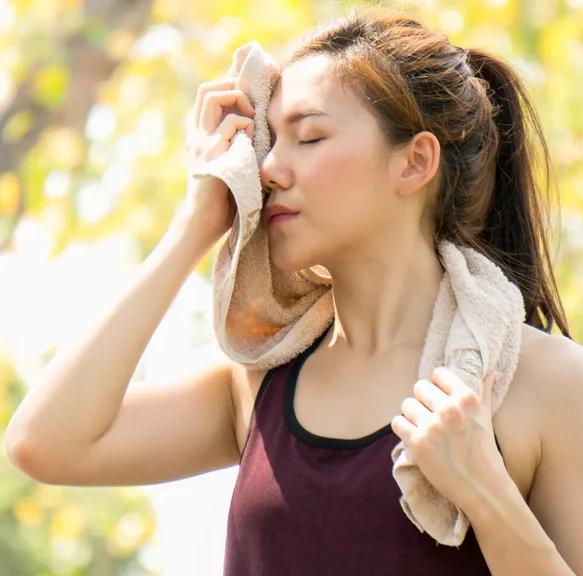
What are the benefits of moisture-wicking fabrics in sportswear?
Have you ever felt uncomfortable during a workout because your clothes were soaked in sweat? Or maybe you’ve experienced that...

8C Microporous pro Performance Yarn: 4-in-1 Solution for Moisture-Wicking, Cooling, Antibacterial & UV Protection in Athletic Apparel
You know that moment during a high-intensity workout when your shirt feels damp, your skin feels clammy, and you catch...