 English
 Español
 Português
 Deutsch
 한국어
한국어 日本語
日本語 Italiano
 Français
 العربية
 Türkçe
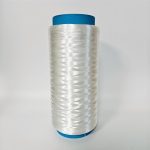


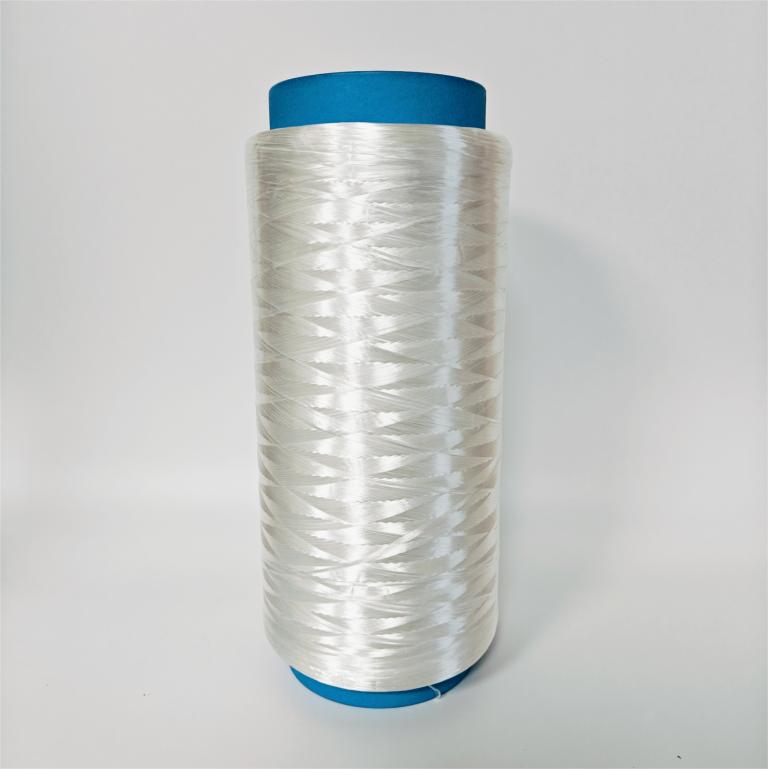

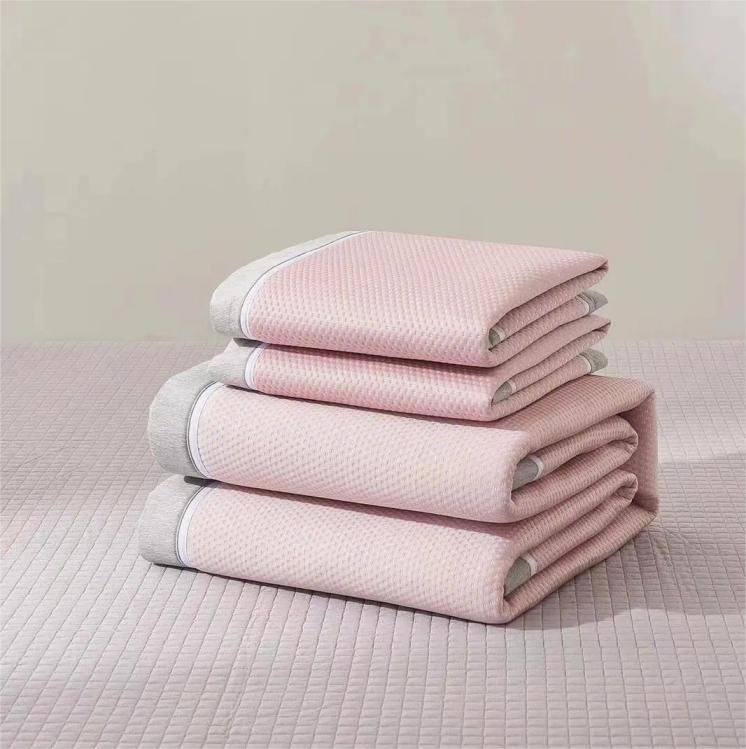
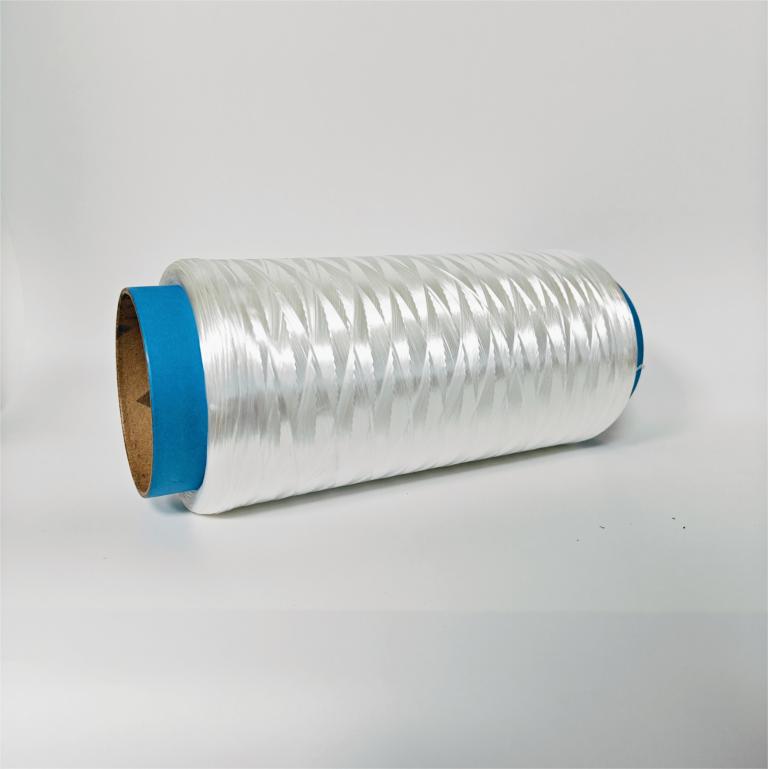
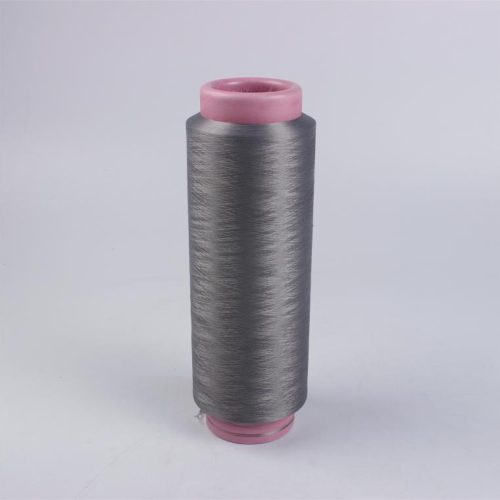
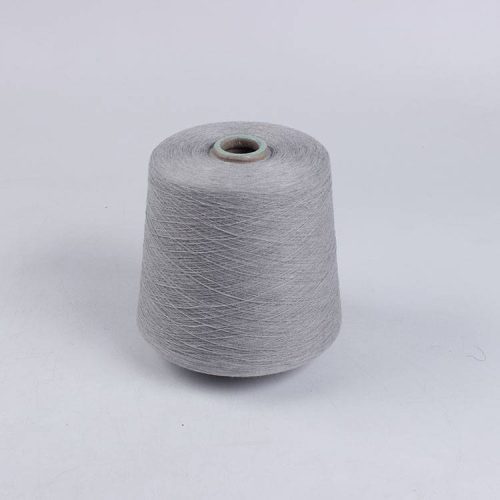
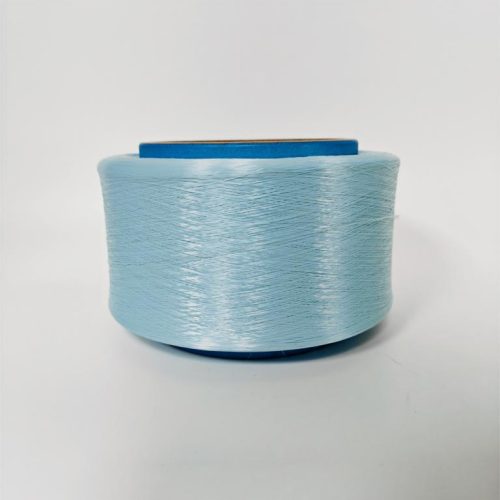
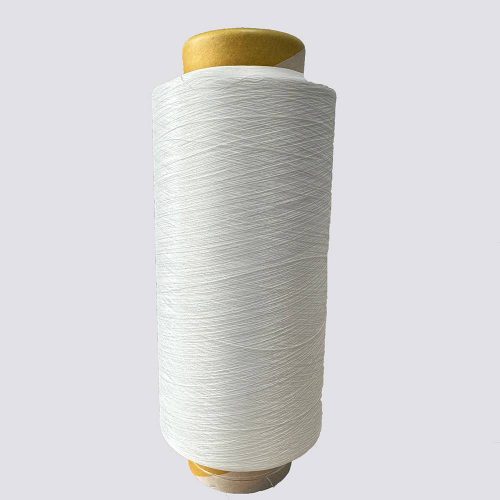
UHMWPE yarn is a lightweight, high-strength material route for protective textiles, abrasion-resistant apparel, braids, ropes and technical reinforcement. The right yarn is not chosen by the material name alone. Your finished product, yarn count, construction, processing route and required test method determine which sample is worth developing.
Annie’s Smartex can discuss UHMWPE yarn starting points from fine-denier textile applications through heavier technical constructions. Running availability, package, color, twist and sampling requirements should be confirmed against your project brief.
Choose UHMWPE yarn by the finished application
UHMWPE combines low density with high specific strength and useful abrasion resistance, but those properties do not transfer automatically to a glove, garment or rope. A yarn that works in a fine knit may not be the right construction for a coated glove liner or a load-bearing braid. Start the RFQ with the finished article and the performance decision you need to make.
| Fertiges Produkt | Define before sampling | Verify at the correct level |
|---|---|---|
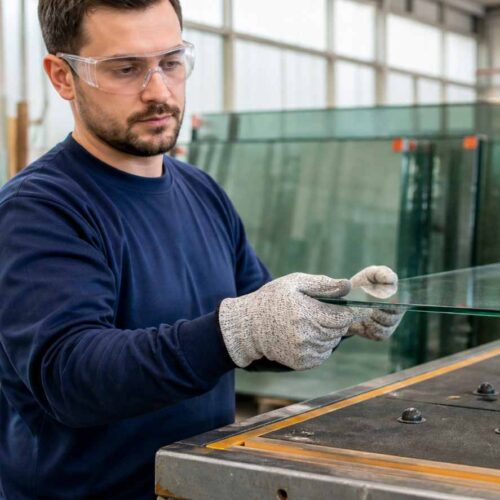
| Schnittfester Handschuh | Target standard and level, glove gauge, liner construction, coating, dexterity and skin-contact expectations | Finished-glove cut, abrasion, tear and dexterity evaluation; yarn data alone is not an ANSI or EN glove rating |
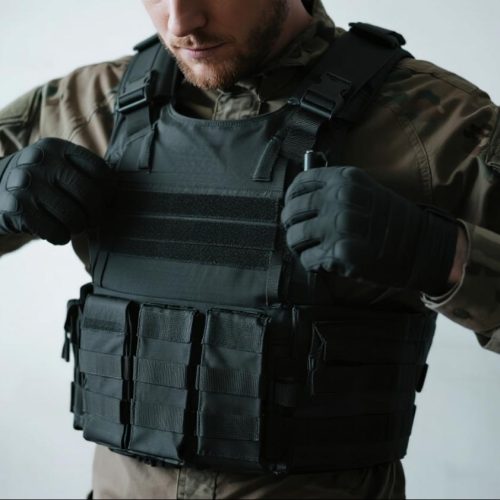
| Protective or abrasion-resistant apparel | Woven or knitted structure, fabric weight, stretch, coverage, seams and expected wear zone | Finished-fabric and garment abrasion, tear, seam and wear assessment under the intended construction |
| Braid, rope or webbing | Linear density, strand construction, diameter, load direction, termination and service environment | Finished-assembly tensile, elongation, fatigue and environmental checks appropriate to the use |
| Technical reinforcement | Matrix or companion material, processing temperature, adhesion route, orientation and dimensional target | Compatibility and mechanical performance after the proposed manufacturing process |
Yarn count is only one part of the specification
The current range includes fine and heavier denier options, with the product line historically listing counts from 15D and 30D through 400D and 1600D. Treat those figures as a starting range, not a promise that every count, color and package is ready for immediate shipment. Confirm the current running specification when you request a sample.
For a useful quotation, include the required denier or count, filament or yarn form, twist, color, package, downstream process, sample quantity and estimated production demand. If you are still deciding, send the fabric or finished-product target instead of guessing a denier. That gives the supplier enough context to recommend a smaller comparison set.
UHMWPE yarn and ADAMAS® cut-resistant yarn serve different briefs
This page is the broad core page for UHMWPE-Garn used in high-strength and abrasion-resistant textile development. If your project is specifically a high cut-level glove or protective textile, compare the separate ADAMAS® anti-cutting UHMWPE filament yarn route. The modified construction and blend strategy should be selected against the finished product rather than treated as a universal upgrade.
Das UHMWPE cut-resistant yarn guide for gloves explains how ANSI A2–A9 targets, glove construction, denier and blends belong in the same sourcing decision. The rating applies to the evaluated glove system, not to an isolated yarn name.
Processing and performance boundaries
Low density, high strength-to-weight potential and resistance to many chemicals are useful UHMWPE characteristics. They do not remove the need to check heat exposure, creep, bonding, dyeing or finishing compatibility for the proposed production route. Ask about temperature limits before combining UHMWPE with high-temperature processing, coatings or laminations.
Beschaffungsgrenze: material and yarn properties support product development; finished performance depends on construction and processing. Certification, cut level, abrasion life, load capacity and compliance must be established on the relevant fabric, glove, garment or technical assembly.
Common UHMWPE textile development routes
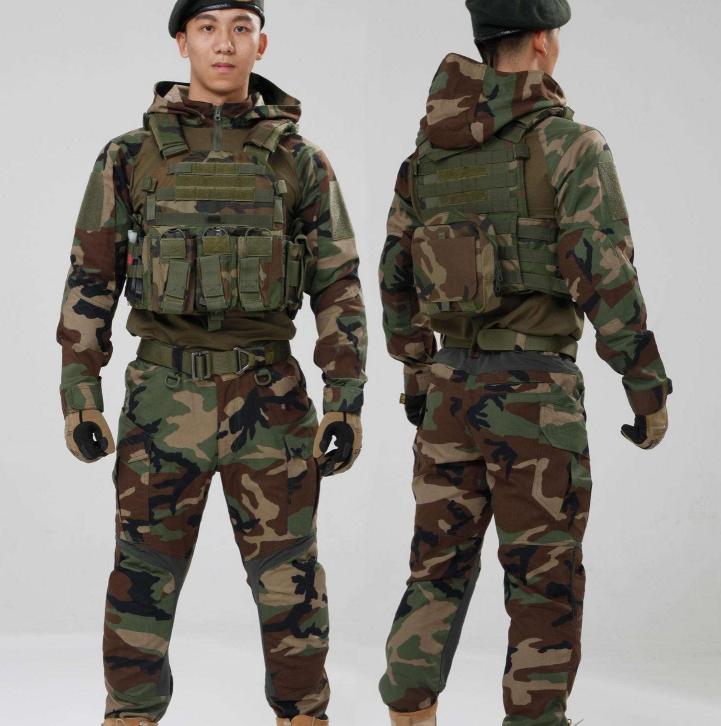
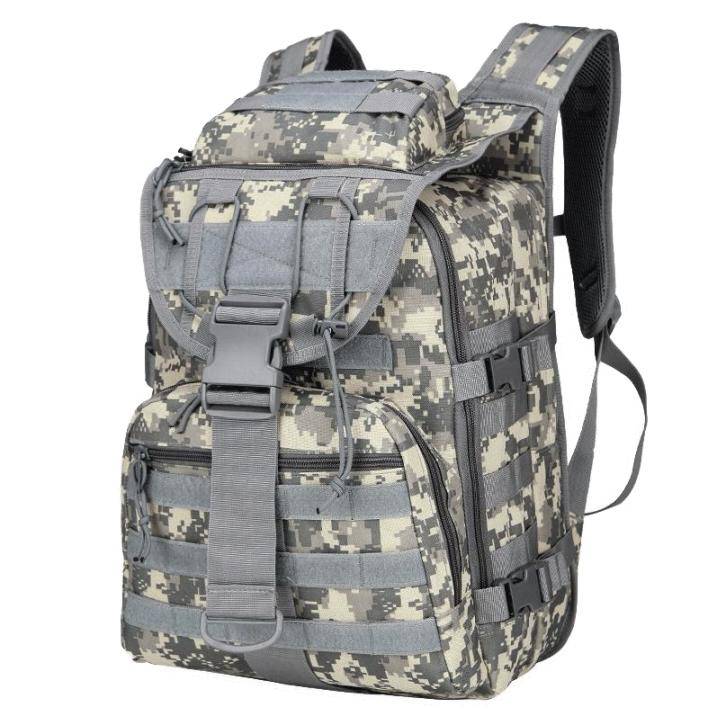
Typical discussions include glove liners, reinforcement zones in motorcycle and protective clothing, technical woven and knitted fabrics, braids, ropes, webbing and lightweight durable components. For an apparel-specific example, see how UHMWPE yarn can support abrasion-resistant motorcycle clothing development. Any application still needs its own construction and verification plan.
Schnittschutzbeutel
Request a UHMWPE yarn sample discussion
Send your finished application, target yarn count or fabric construction, required test standard, processing route, color, sample quantity and expected production demand. Contact Annie’s Smartex to compare an appropriate UHMWPE yarn starting point.

Bewertungen
Es gibt noch keine Bewertungen.