 English
 Español
 Português
 Deutsch
 한국어
한국어 日本語
日本語 Italiano
 Français
 العربية
 Türkçe
Guia do comprador de fios protetores
Um guia prático para conciliar as especificações ANSI A2–A9 com a construção do fio, misturas, denier, design da luva e requisitos de compra — sem confundir a especificação da fibra com a classificação da luva acabada.
Comece analisando o risco no local de trabalho e o nível de corte exigido para a luva final. Em seguida, selecione um sistema de fios de UHMWPE que atenda à meta, considerando a construção do forro, o revestimento e qualquer reforço. A espessura do fio (denier) afeta a compatibilidade com máquinas, a cobertura e a sensação ao toque, mas não comprova um nível ANSI. Para projetos de A6 a A9, em particular, teste a construção completa da luva; uma especificação de fio não comprova a classificação da luva final.
Um fabricante de luvas pode comprar uma fibra excepcionalmente resistente e ainda assim não atingir o desempenho desejado. O motivo é simples: uma luva resistente a cortes é um sistema. O fio de UHMWPE oferece alta resistência em relação ao seu peso e boa resistência à abrasão, mas o resultado também depende da construção do fio, da espessura da malha, do trançado, do reforço, do revestimento, do tamanho da luva e do local do teste.
Este guia destina-se a fabricantes de luvas, marcas de EPI e equipes de compras que comparam fios de UHMWPE para luvas resistentes a cortes . Ele explica como usar a norma ANSI A2–A9 como referência de projeto, como discutir a espessura do fio (denier) e as misturas com um fornecedor e o que confirmar antes de passar de cones de amostra para um pedido em grande quantidade.
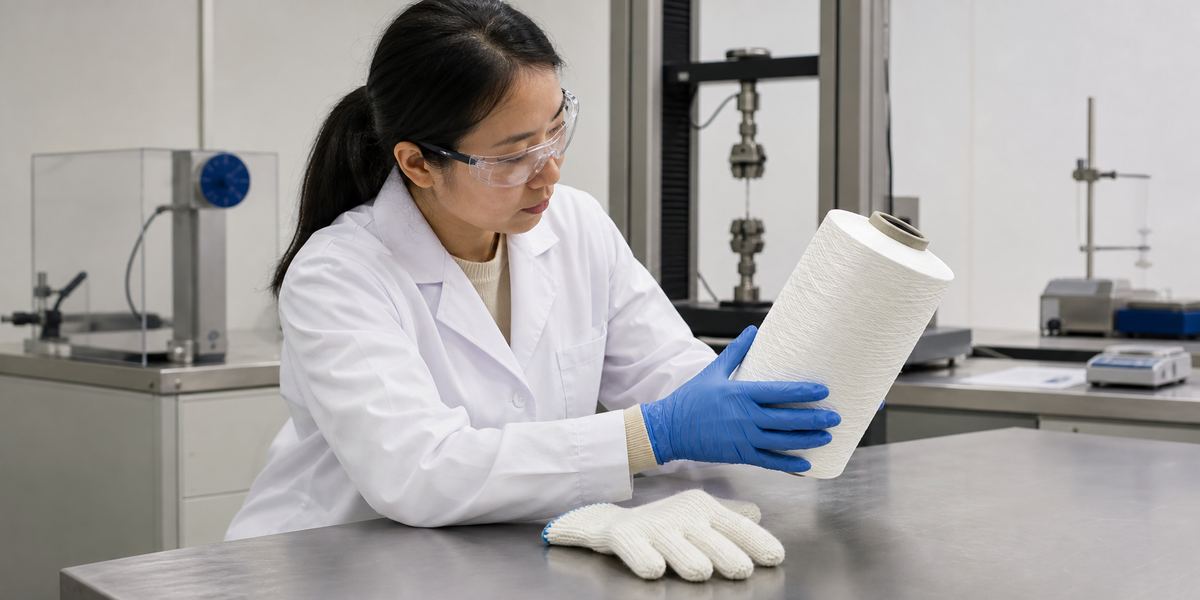
O que os compradores devem decidir antes de escolher o fio de UHMWPE para luvas?
Não comece perguntando “Qual é o seu fio mais resistente a cortes?”. Comece pela tarefa de trabalho. Um funcionário de armazém abrindo caixas, um trabalhador da indústria vidreira carregando painéis de vidro e um operador de estampagem de metal não precisam do mesmo equilíbrio entre proteção, tato, aderência e controle da fadiga.
Defina estes cinco pontos antes de solicitar uma amostra de fio:
- Perigo: Bordas de papel, chapas metálicas, vidro, peças fundidas, lâminas ou riscos mistos.
- Mercado-alvo e padrão: Classificação ANSI/ISEA 105 para a América do Norte, classificação EN 388 quando aplicável e os métodos de ensaio referenciados por essas normas de produto, como a ISO 13997.
- Construção de luvas: Forro sem costuras, malha revestida, tecido atoalhado, palma revestida ou luva sem revestimento.
- Requisitos de uso: Destreza, tato, resistência à abrasão, lavabilidade, aderência e conforto térmico.
- Configuração de produção: Calibre da máquina, disposição do alimentador, peso alvo da luva e o processo de revestimento que se segue à tecelagem.
Esses detalhes descartam rapidamente fios inadequados e ajudam a evitar projetos superdimensionados. Um compósito pesado e rígido pode ter um bom desempenho em laboratório, mas ainda assim falhar na prática se os trabalhadores precisarem de controle preciso durante um turno de oito horas.
O que significam, de fato, os níveis de corte ANSI A2–A9?
A classificação atual ANSI/ISEA 105-2024 utiliza nove níveis de resistência a cortes. Cada nível abrange uma faixa específica de carga de corte, expressa em gramas-força sob o teste de corte prescrito. Um número maior significa que foi necessária mais força — não que uma luva seja “à prova de cortes”.
| Nível de corte ANSI | Faixa de carga de corte ANSI | Contexto ilustrativo — não se trata de uma recomendação de EPI (Equipamento de Proteção Individual). |
|---|---|---|
| A1 | 200–499 gf | Manuseio de materiais leves e riscos de arranhões de baixo nível. |
| A2 | 500–999 gf | Embalagem, trabalho em armazém e montagem geral. |
| A3 | 1,000–1,499 gf | Montagem de peças e manuseio de componentes com bordas mais afiadas |
| A4 | 1,500–2,199 gf | Riscos leves de exposição a vidro, construção e manuseio moderado de metais. |
| A5 | 2,200–2,999 gf | HVAC, serviços elétricos e fabricação de metal. |
| A6 | 3,000–3,999 gf | Metal mais afiado e manuseio industrial de maior risco |
| A7 | 4,000–4,999 gf | Estampagem de metais, reciclagem e fabricação exigente. |
| A8 | 5,000–5,999 gf | Alto risco de cortes em operações com aço e vidro. |
| A9 | ≥6,000 gf | Riscos extremos de cortes que exigem a classificação mais alta. |
A ISEA agrupa exemplos de aplicação em vários níveis adjacentes, em vez de prescrever um nível para cada tarefa. Esses exemplos são apenas pontos de partida; a seleção de luvas deve seguir uma avaliação de riscos específica para cada tarefa no local de trabalho. Uma classificação de resistência a cortes também não informa nada sobre proteção contra perfurações, agulhas, impactos, produtos químicos ou calor. A norma ISO 13997, por exemplo, observa especificamente que seu método de corte por borda afiada não fornece dados sobre perfuração por agulha ou espinho.
O próprio fio de UHMWPE pode ser classificado como A2–A9?
Não da mesma forma que uma luva acabada é classificada. Um fio pode ser projetado para luvas destinadas a uma faixa de corte específica, e o fornecedor pode ter resultados de testes para uma construção de amostra específica. No entanto, a norma ANSI/ISEA 105 se aplica a produtos de proteção para mãos e braços. Alterar a gramatura do forro, a espessura da malha, o reforço, o revestimento ou a área de teste pode alterar o resultado final.
Para obter amostras, consulte o fio de filamento anticorte UHMWPE modificado ADAMAS® , com especificações de produção publicadas que incluem opções de 15D a 1600D. Pergunte quais deniers estão disponíveis atualmente, se a construção proposta é livre de metal ou vidro e qual amostra foi usada para qualquer teste de corte de suporte. Os compradores que comparam outras opções de fios de proteção também podem consultar a coleção de fios de alto desempenho para proteção.
Como os compradores devem adequar os sistemas de fios UHMWPE às metas A2–A9?
Nenhuma mistura fixa de UHMWPE garante um nível ANSI. Use a tabela abaixo para escolher uma construção inicial para amostragem e, em seguida, confirme o resultado na luva finalizada. Metas mais baixas geralmente permitem priorizar mais leveza e destreza; metas mais altas podem exigir mais material, uma arquitetura de fio diferente ou reforço projetado.
| Meta de desenvolvimento | Direção típica do projeto | Principal compensação a verificar |
|---|---|---|
| A2–A3 | Forro fino à base de UHMWPE, frequentemente combinado com fios elásticos ou de conforto para melhor ajuste. | Evite espessuras desnecessárias que reduzam a sensação tátil. |
| A4–A5 | Estruturas revestidas ou compostas à base de UHMWPE, projetadas e testadas para os riscos moderados de corte pretendidos. | Equilibre o desempenho de corte com a vida útil à abrasão, a sensação ao toque e a adesão do revestimento. |
| A6 | Sistema UHMWPE projetado que pode utilizar massa de material adicional, trançado, arquitetura de fios especializada ou reforço, dependendo do design da luva final. | Verifique a construção testada; não infira o resultado apenas com base no nome da fibra. |
| A7–A9 | Estruturas compostas projetadas especificamente para esse fim; alguns modelos utilizam reforço rígido, como aço ou vidro, enquanto sistemas proprietários podem usar outras partículas anticorte ou arquiteturas de fios. | Rigidez, conforto para a pele, quebra durante a tecelagem e aceitação pelo trabalhador tornam-se fatores críticos. |
Aço e vidro não são automaticamente “melhores”. Podem aumentar a resistência a uma lâmina em movimento, mas extremidades expostas, fragilidade, desgaste mecânico ou rigidez podem criar novos problemas. Da mesma forma, não presuma que um fio macio e sem metal atingirá o índice A9 em todas as construções de luvas. Compare as construções testadas e seus respectivos relatórios.
A mesma regra se aplica a vestimentas de proteção e outras estruturas têxteis: avalie a construção final, e não apenas o nome da fibra. Nossa visão geral das aplicações de fios resistentes a cortes abrange diversos usos além de luvas.
Como escolher a espessura do fio (denier) e a espessura da luva?
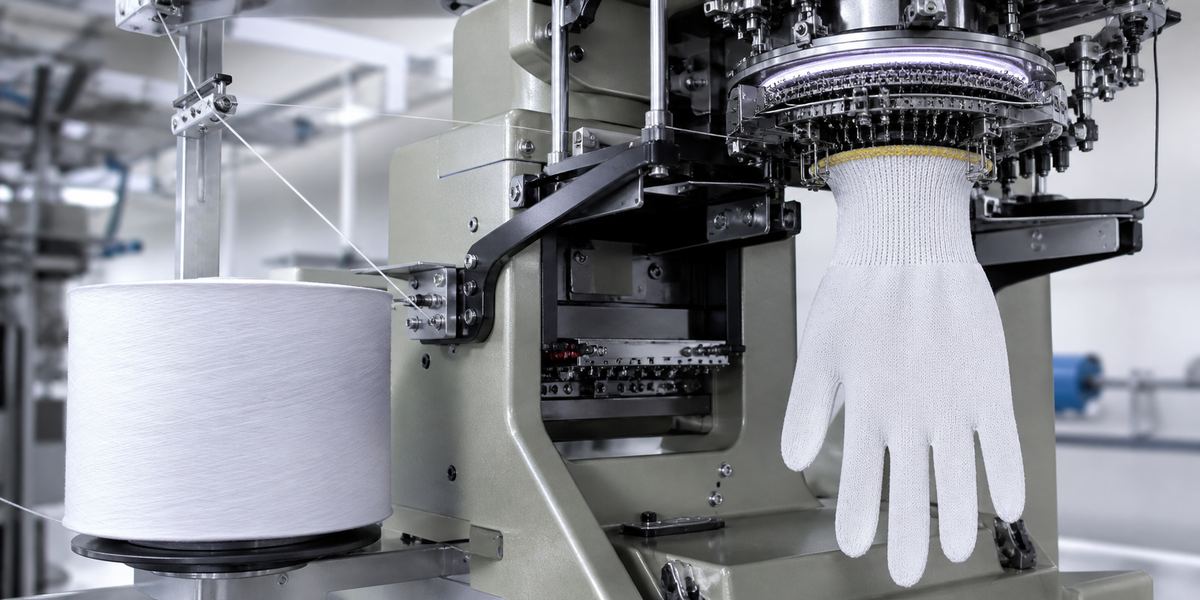
O denier é a densidade linear: a massa em gramas de 9,000 metros de fio. Ele ajuda a descrever a espessura do fio, mas não é um critério de corte. Dois fios com o mesmo denier podem usar contagens de filamentos, torções, revestimentos ou reforços diferentes e se comportar de maneira muito distinta na confecção e nos testes.
Uma densidade de fios (denier) menor permite um forro mais fino e leve, proporcionando maior sensibilidade na ponta dos dedos. Uma densidade de fios maior possibilita a utilização de mais material na construção, mas pode exigir uma malha mais grossa, adicionar peso ou alterar a rigidez à flexão. As especificações de desempenho publicadas pela ADAMAS® incluem opções de 15D a 1600D. A escolha ideal depende se o fio será tricotado sozinho, revestido, trançado com outro fio ou utilizado em um compósito.
| Pergunta para o fornecedor de fios | Por que a fábrica de luvas precisa da resposta? |
|---|---|
| O que é a estrutura de filamentos e o que significa "denier"? | Determina a compatibilidade da máquina, a cobertura e a sensação esperada ao toque. |
| O fio é plano, torcido, revestido ou composto? | A arquitetura influencia o atrito, a coesão, a ruptura e a forma como o reforço é contido. |
| Quais medidores de luvas foram testados? | Um teste prévio em uma máquina e medidor semelhantes pode reduzir o tempo de amostragem, mas o comprador ainda precisa realizar um teste de produção. |
| Qual a tensão e a configuração do alimentador recomendadas? | O baixo atrito e a alta resistência do UHMWPE podem exigir ajustes no processo. |
| Como o fio interage com o revestimento da palma da mão? | Revestimentos de nitrilo, PU, látex e outros podem alterar a aderência, a flexibilidade e a construção da luva testada. |
Como a aplicação e a destreza influenciam a escolha do fio?
O fio adequado deve ajudar a luva final a proteger o trabalhador sem comprometer a sua execução. O manuseio de vidro pode exigir maior aderência à superfície e proteção ao longo dos dedos. A estampagem de metal pode exigir um nível de corte mais alto, maior resistência à abrasão e cobertura na região entre o polegar e o indicador. O trabalho de montagem pode aceitar um nível de corte mais baixo em troca de um controle tátil mais preciso.
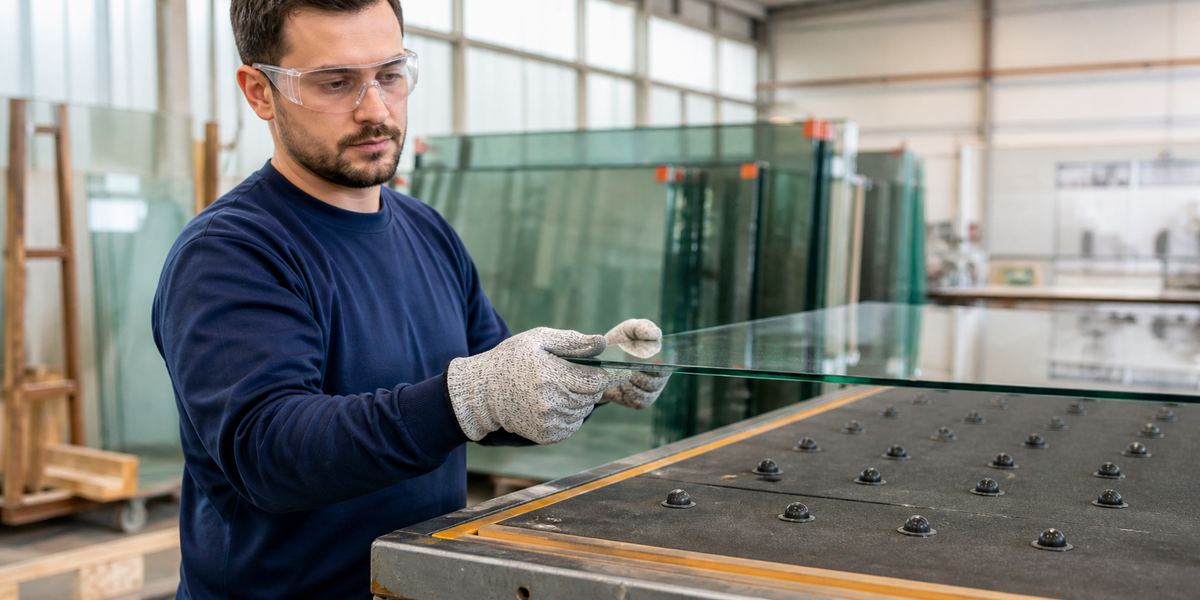
Manuseio de vidro
Especifique o risco de corte na borda, o peso do painel, a aderência necessária e se a luva será revestida. Um bom resultado de corte não é suficiente se o trabalhador precisar se agarrar demais a um painel escorregadio.
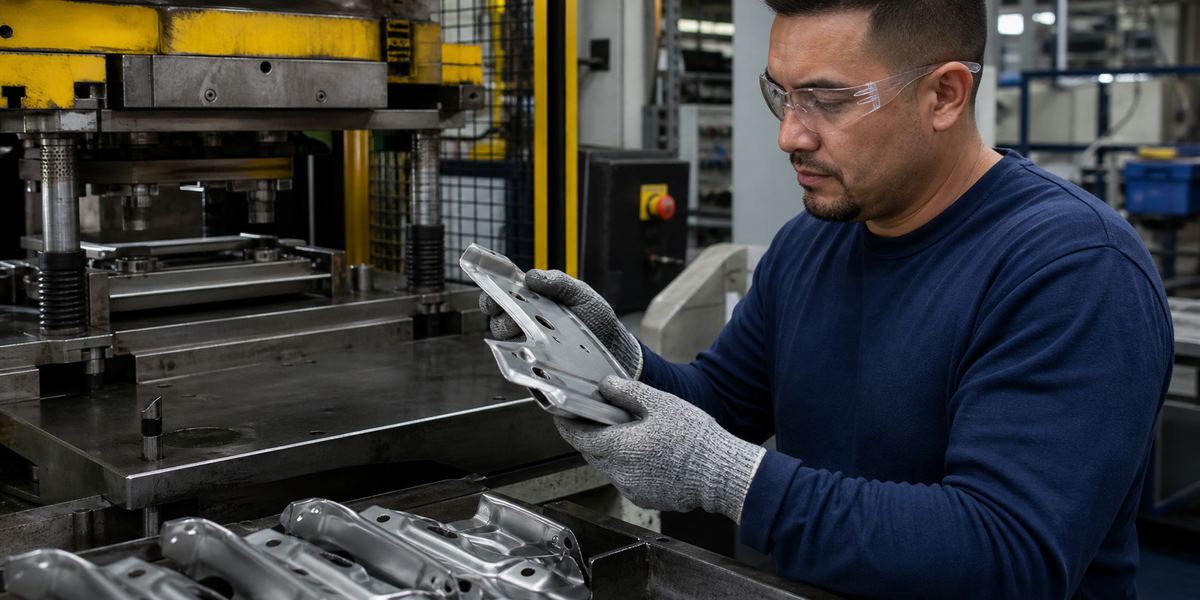
Estamparia de metal
Bordas afiadas estampadas podem levar uma equipe de projeto a avaliar luvas na faixa de corte alto A6–A9, mas o forro, o reforço, o revestimento e a área crítica de teste devem ser avaliados como um sistema único.
Qual é a quantidade mínima de encomenda (MOQ) para fios de UHMWPE resistentes a cortes para luvas?
Não existe uma quantidade mínima de encomenda (MOQ) única e significativa para todas as especificações de fios de UHMWPE para luvas. Isso depende se a especificação é um item de linha ou um composto personalizado, da densidade do fio (denier), da cor, do reforço, do tipo de cone e do processo de produção selecionados.
Em vez de pedir apenas a “quantidade mínima de encomenda”, peça três quantidades:
- Quantidade de amostras: Utilizar cones suficientes para confirmar uma alimentação estável, tricotar um lote representativo de forros e testar mais de um tamanho de luva.
- Quantidade piloto: Suficiente para testes de revestimento, testes de luvas acabadas e uma produção controlada.
- Quantidade mínima de pedidos em massa: o mínimo comercial após a aprovação das especificações, embalagens e limites de qualidade.
A menor quantidade mínima de amostras nem sempre resulta no menor custo de desenvolvimento. Se a quantidade de luvas produzida for insuficiente para testes repetidos ou se a fábrica for obrigada a trocar as embalagens dos cones no meio do ensaio, a aparente economia desaparece. Compartilhe informações sobre a quantidade de máquinas, a bitola, o peso das luvas, os tamanhos desejados e o volume do ensaio para que o fornecedor possa calcular uma quantidade inicial viável.
Quais relatórios de testes e dados de produção os compradores devem solicitar?
Edição padrão, método, carga medida, nível, amostra e data do ensaio.
Especificações do fio, tensão da malha, gramatura do forro, revestimento e área testada.
Denier, estrutura do filamento, tenacidade, alongamento e detalhes da embalagem.
Referências da máquina, notas de alimentação, faixa de tensão e limitações conhecidas.
Identificação de lotes, tolerâncias e procedimento de controle de alterações.
Quantidade de amostra, quantidade mínima para pedido piloto, quantidade mínima para pedido em grande quantidade, prazo de entrega e embalagem.
Pergunte também se o teste representa fio bruto, uma amostra tricotada, um forro sem revestimento ou uma luva revestida acabada. Esses itens não são intercambiáveis. Se a especificação do fio ou o fornecedor mudarem, teste novamente a luva de produção antes de continuar usando a mesma alegação de nível de corte.
Quais são os erros mais comuns na compra de fios de UHMWPE para luvas?
- Comprar apenas pelo nível de corte: A luva fica muito rígida, quente ou escorregadia para a tarefa real.
- Partindo do pressuposto de que maior espessura significa sempre maior segurança: A arquitetura da construção e dos materiais é tão importante quanto a espessura nominal do fio.
- Comparação de relatórios de diferentes espécimes: O resultado de uma amostra não pode ser comparado diretamente com o resultado de uma luva revestida sem contexto.
- Ignorando o revestimento: A cobertura e a flexibilidade do revestimento podem alterar tanto o desempenho quanto a aceitação por parte dos trabalhadores.
- Pulando a produção do piloto: Um fio que rende para dez luvas ainda pode causar problemas de tensão ou ruptura ao longo de um turno inteiro.
- Chamar qualquer luva de alta resistência de “à prova de cortes”: Nenhuma luva têxtil elimina completamente o risco de cortes, e o rótulo pode criar expectativas inseguras.
Perguntas frequentes sobre fios de UHMWPE resistentes a cortes
Pode-se assumir que o fio de UHMWPE não modificado produz uma luva A9?
Não. Os fios de UHMWPE modificados podem incorporar partículas anticorte, enquanto outras construções de alta resistência a cortes podem usar aço, vidro ou diferentes arquiteturas de reforço. Estes não são equivalentes ao UHMWPE não modificado, e nenhum garante A9 independentemente da construção da luva acabada testada.
Uma trama com maior densidade de fios (denier) garante um nível de corte ANSI mais alto?
Não. Uma gramatura maior significa maior densidade linear. O desempenho de corte também depende da arquitetura do filamento e do fio, da quantidade total de material na área de teste, da malharia, do reforço e do revestimento.
Os fios de UHMWPE, HPPE e HDPE convencional são a mesma coisa?
Não. UHMWPE e HDPE convencional são tipos diferentes de polietileno e não possuem especificações intercambiáveis. HPPE é um termo comercial mais amplo para fios de polietileno de alto desempenho e geralmente é baseado em UHMWPE, mas os fornecedores nem sempre usam os termos de forma consistente. Compare o polímero, a arquitetura do filamento e do fio, o reforço, a densidade linear e a construção da luva testada, em vez de se basear apenas no nome.
É possível converter diretamente as classificações ANSI e EN 388?
Não se deve utilizar uma conversão direta. Os sistemas expressam o desempenho de maneiras diferentes e podem fazer referência a classificações e convenções de relatório distintas. Especifique o mercado de destino e solicite os relatórios relevantes.
Que informações devo enviar para obter um orçamento?
Envie o padrão e o nível de corte desejados, o mercado de destino, a espessura da luva, o peso do forro, o revestimento, os tamanhos, a aplicação, a referência atual do fio, a quantidade de teste, a previsão anual e quaisquer requisitos de ausência de metal ou vidro. Um resumo simples, que pode ser copiado e colado, seria: “Padrão ANSI/EN desejado: __; espessura: __; revestimento: __; aplicação: __; fio atual: __; quantidade de teste: __; previsão: __; materiais restritos: __.”
Da identificação de riscos à especificação de fios
Está planejando uma nova luva resistente a cortes ou revisando um forro existente? Envie-nos o nível de resistência desejado, a espessura da malha, o revestimento, o uso final e os requisitos de materiais restritos para que a Annie's Smartex possa recomendar uma lista de amostras e cotar a quantidade necessária para o teste.
- Associação Internacional de Equipamentos de Segurança: Chave para Classificações de Mãos, ANSI/ISEA 105-2024
- ANSI/ISEA 105-2024: Norma Nacional Americana para Classificação de Proteção das Mãos
- ISO 13997:2024: Determinação da resistência ao corte por objetos cortantes
Os exemplos de aplicação são orientações gerais. A seleção de EPI deve seguir uma avaliação de riscos no local de trabalho, as regulamentações aplicáveis e os testes do produto final.

Artigos relacionados
Por que os fabricantes de equipamentos militares escolhem o fio UHMWPE anticorte para proteção avançada
O cenário da guerra moderna é cada vez mais complexo, impondo exigências sem precedentes em termos de mobilidade, resistência e proteção integral do indivíduo...
Inovação resistente à abrasão: como os fios UHMWPE aumentam a durabilidade das roupas de motocicleta
Todos os anos, milhares de motociclistas enfrentam um risco comum, porém grave: lesões por abrasão no asfalto. Estudos mostram que aproximadamente...

Tecidos refrescantes e fáceis de limpar para robôs humanoides: como escolher os fios certos
Explore fios de UHMWPE e poliéster de fácil limpeza para tecidos de robôs humanoides, com ideias de design para caminhos de calor, painéis de contato macios e...
Como escolher o tecido refrescante certo: um guia de compra para nylon PCM, nylon Cool-Touch e poliéster 8C Pro.
O problema com a categoria "Refrigeração": Entre em qualquer feira comercial em 2025 e metade dos estandes terá...